6.3 Accessing Resources in CSEs
6.3.0 Introduction
This clause describes the behaviour of the CoAP layer depending on the Response Type parameter. Note that the CoAP messaging model defined in [1] applies to all message exchanges.
oneM2M Requests should be sent as CoAP Confirmable (CON) messages, although an Originator can send a request as a Non-confirmable (NON) message if there is a good reason for doing this. An Originator that relies on getting a response to its request should use a Confirmable rather than a Non-confirmable message for its request.
oneM2M Responses should be sent as CoAP CON messages, although there is one case where a NON message should be used. This is indicated in clause 6.3.1.
If the Originator or Receiver sends a CON message it shall retransmit that message if it does not receive a CoAP acknowledgement message, as required by [1]. The recipient (Receiver or Originator) shall take care to de-duplicate CON messages as described in [1]
The recipient of a CoAP message shall process the oneM2M request or response it contains, even if it was sent as Non-confirmable.
6.3.1 Blocking case
- If the Response Type parameter is configured as "blockingRequest" (blocking case), the Originator (CoAP client) shall send the oneM2M request to the Receiver (CoAP server). The oneM2M Operation parameter shall be mapped to a CoAP Method according to Table 6.2.1-1.
- After processing the oneM2M request, the Receiver shall send the oneM2M response in a CoAP response with a CoAP response code as given by Table 6.2.4-1.
- If the oneM2M request was sent as a CoAP Confirmable message, the Receiver may either piggyback this response to the request on the CoAP ACK message, or send the response as a separate CoAP Confirmable message after it has sent the CoAP ACK.
- If the oneM2M request was sent as a Non-confirmable message, the oneM2M response shall be returned as a separate CoAP message. This response should be sent as a Non-confirmable CoAP message but it may be sent as Confirmable (this means that a receiver can, if it so chooses, send all Responses as Confirmable regardless of how the Request was sent).
- The Originator's CoAP binding may generate a response primitive containing a oneM2M Response Status Code of "REQUEST_TIMEOUT" if it considers that it has taken too long for the CoAP response to come back from the Receiver. It shall ignore any response to the original request that it might receive after it has done this.
6.3.2 Non-Blocking Asynchronous case
- If the Response Type parameter is configured as "nonBlockingRequestAsynch" (non-blocking asynchronous case), the Originator (CoAP client) should send the oneM2M request to the Receiver (CoAP server) as a CoAP Confirmable message. This request shall be sent using the CoAP POST method, and shall include the Operation parameter, mapped as described in clause 6.2.2.3.
- The Receiver, after validating the request and before processing it fully, shall return a oneM2M response to the originator. It may either piggyback (2a) this response on the CoAP ACK message (if the request was sent as a Confirmable message) or send the response as a separate CoAP response message after it has sent the CoAP ACK (2b). In this latter case it shall send the response as a Confirmable message.
- If the Receiver supports the <request> resource type, it shall respond with a 2.01 (Created) CoAP response code and a oneM2M Response Status Code of "ACCEPTED for nonBlockingRequestAsynch". The response shall include the URI of the new <request> resource in a sequence of one or more Location-Path and/or Location-Query Options.
- If the Receiver does not support the <request> resource type, it shall respond with a 2.04 (Changed) CoAP response code and a oneM2M Response Status Code of "ACCEPTED for nonBlockingRequestAsynch".
- The Receiver, upon successful processing of the request, shall send a new CoAP Confirmable request message using the CoAP POST method. This message contains a oneM2M NOTIFY primitive whose content contains the response to the original request.
- The Originator may either piggyback a response to this request (4a) or send it as a separate CoAP response after the acknowledgment message (4b). This response shall contain the appropriate CoAP response code as defined in table 6.2.4-1 and have an empty payload.
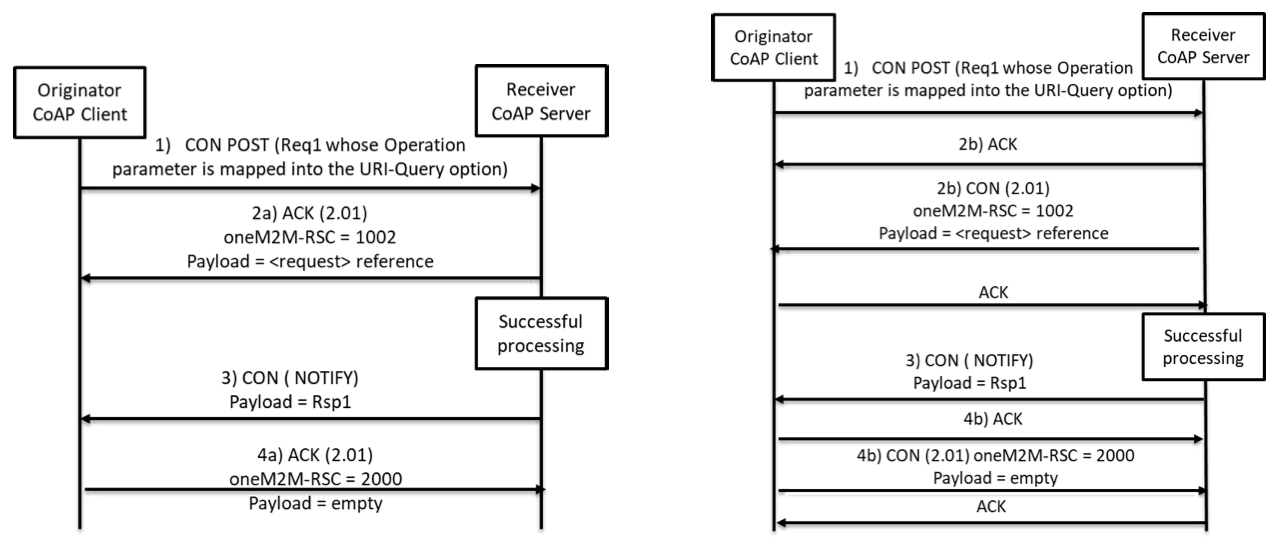
Figure 6.3.2-1: Non-Blocking Asynchronous Case
6.3.3 Non-Blocking Synchronous case
- If the Response Type parameter is configured as "nonBlockingRequestSynch" (non-blocking synchronous case), the Originator (CoAP client) should send the oneM2M request to the Receiver (CoAP server) as a CoAP Confirmable message. This request shall be sent using the CoAP POST method, and shall include the Operation parameter, mapped as described in clause 6.2.2.3.
- The Receiver, after validating the request and before processing it fully, shall return a oneM2M response to the originator. It may either piggyback this response (2a) on the CoAP ACK message (if the request was sent as a CON message) or send the response as a separate CoAP message after it has sent the CoAP ACK (2b). In this latter case it shall send the response as a Confirmable message.
- If the Receiver supports the <request> resource type, it shall respond with a 2.01 (Created) CoAP response code and a oneM2M Response Status Code of "ACCEPTED for nonBlockingRequestSynch". The response shall include the URI of the new <request> resource in a sequence of one or more Location-Path and/or Location-Query Options.
- If the Receiver does not support the <request> resource type, it shall respond with a 5.01 (Not implemented) CoAP response code and a oneM2M Response Status Code of "NON_BLOCKING_SYNCH_REQUEST_NOT_SUPPORTED".
- The Originator can use the <request> resource reference to make a blocking synchronous request to retrieve the <request> resource that corresponds to the original request.
- The Receiver, upon receipt of this retrieve request, shall handle it as in clause 6.3.1 since it is a blocking request.
Note
If the Receiver is a Transit CSE, the Receiver acts as CoAP client and CoAP server.
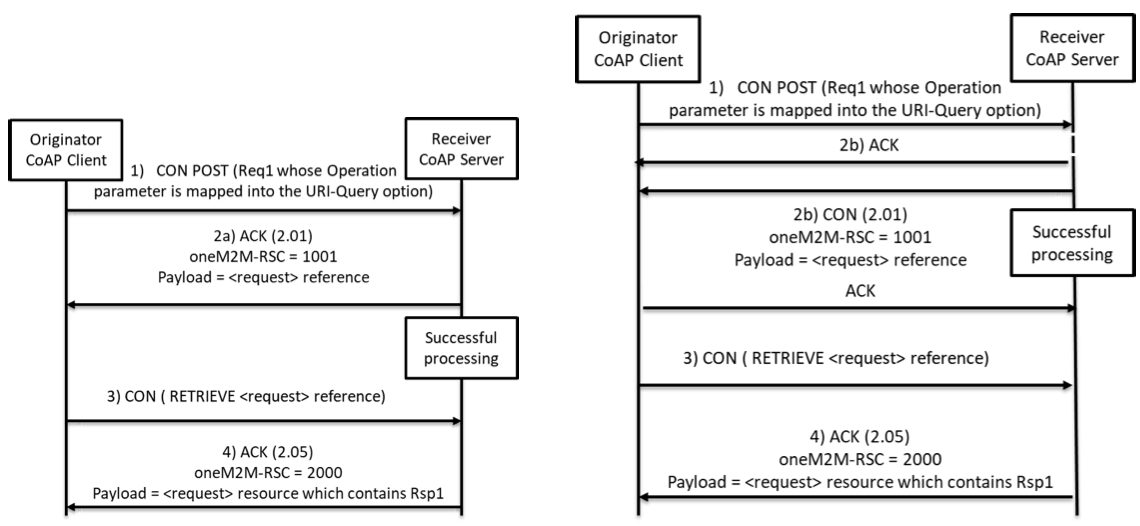
Figure 6.3.3-1: Non-Blocking Synchronous Case
6.3.4 Flex Blocking case
- If the Response Type parameter is configured as "flex blocking", the Originator (CoAP client) should send the oneM2M request to the Receiver (CoAP server) as a CoAP Confirmable message. This request shall be sent using the CoAP POST method, and shall include the Operation parameter, mapped as described in clause 6.2.2.3.
- The Receiver shall determine whether to handle the request using "nonBlockingRequestSynch" or "nonBlockingRequestAsynch" mode: