 oneM2M TS-0034Release Notes diff from v5.0.3 to v5.0.2oneM2M TS-0034Release Notes diff from v5.0.3 to v5.0.2
The resource is used to store a semantic description pertaining to a resource and potentially sub-resources. Such a description may be provided according to ontologies. The semantic information is used by the semantic functionalities of the oneM2M system and is also available to applications or CSEs. For resource type description see resource is used to store a semantic description pertaining to a resource and potentially sub-resources. Such a description may be provided according to ontologies. The semantic information is used by the semantic functionalities of the oneM2M system and is also available to applications or CSEs. For resource type description see [1]clause 9.6.30.
This procedure shall be used for creating a
Table 6.1.2‑1:
Associated Reference Point
|
Mca, Mcc and Mcc'
|
Information in Request message
|
All parameters defined in oneM2M TS-0001 [1] table 8.1.2‑2 apply with the specific details for: Content: The resource content shall provide the information as defined in clause 9.6.30 in oneM2M TS-0001 [1] |
Processing at Originator before sending Request
|
According to clause 10.1.2 in oneM2M TS-0001 [1]
|
Processing at Receiver
|
The Hosting CSE shall follow the basic procedure according to clause 10.1.2 of [1], with the following specific details: |
Information in Response message
|
According to clause 10.1.2 in oneM2M TS-0001 [1]
|
Processing at Originator after receiving Response
|
According to clause 10.1.2 in oneM2M TS-0001 [1]
|
Exceptions
|
According to clause 10.1.2 in oneM2M TS-0001 [1]
|
This procedure shall be used for retrieving the attributes of a
Table 6.1.3‑1:
Associated Reference Point
|
Mca, Mcc and Mcc'.
|
Information in Request message
|
All parameters defined in oneM2M TS-0001 [1] table 8.1.2‑2.
|
Processing at Originator before sending Request
|
According to clause 10.1.3. in oneM2M TS-0001 [1]
|
Processing at Receiver
|
According to clause 10.1.3 in oneM2M TS-0001 [1].
|
Information in Response message
|
All parameters defined in oneM2M TS-0001 [1] table 8.1.3‑1 apply.
|
Processing at Originator after receiving Response
|
According to clause 10.1.3 in oneM2M TS-0001 [1].
|
Exceptions
|
According to clause 10.1.3 in oneM2M TS-0001 [1].
|
This procedure shall be used for updating attributes of a
Table 6.1.4‑1:
Associated Reference Point
|
Mca, Mcc and Mcc'
|
Information in Request message
|
All parameters defined in oneM2M TS-0001 [1]table 8.1.2‑2 apply with the specific details for: the Content request parameter which may contain the new descriptor information in one of the following ways: |
Processing at Originator before sending Request
|
According to clause 10.1.4 in oneM2M TS-0001 [1].
|
Processing at Receiver
|
The hosting CSE shall follow the basic procedure according to clause 10.1.4 in oneM2M TS-0001 [1], with the following specific details: |
Information in Response message
|
According to clause 10.1.4 in oneM2M TS-0001 [1].
|
Processing at Originator after receiving Response
|
According to clause 10.1.4 in oneM2M TS-0001 [1].
|
Exceptions
|
According to clause 10.1.4 in oneM2M TS-0001 [1].
|
This procedure shall be used for deleting a
Table 6.1.5‑1:
Associated Reference Point
|
Mca, Mcc and Mcc'
|
Information in Request message
|
All parameters defined in table 8.1.2‑2 in oneM2M TS-0001 [1] apply
|
Processing at Originator before sending Request
|
According to clause 10.1.5 in oneM2M TS-0001 [1]
|
Processing at Receiver
|
According to clause 10.1.5 in oneM2M TS-0001 [1]
|
Information in Response message
|
According to clause 10.1.5 in oneM2M TS-0001 [1]
|
Processing at Originator after receiving Response
|
According to clause 10.1.5 in oneM2M TS-0001 [1]
|
Exceptions
|
According to clause 10.1.5 in oneM2M TS-0001 [1]
|
The
See clause 9.6.14a in oneM2M TS-0001 [1] for a full description of the resource type. The use of
The RETRIVE operation on
The procedure below shall be used for performing a semantic discovery or a semantic query procedure using the descriptor content of all member semantic resources belonging to an existing
Table 6.2.2‑1:
Associated Reference Point
|
Mca, Mcc and Mcc'
|
Information in Request message
|
According to clause 10.1.3 in oneM2M TS-0001 [1]. For the semantic query case, the request message shall include the parameter Semantic Query Indicator, which shall not be included in the request for semantic resource discovery. |
Processing at Originator before sending Request
|
For the semantic resource discovery case, the Originator shall request a semantic discovery to be performed using the content of the semantic descriptors of all member resources belonging to an existing For the semantic query case, the Originator may discover various The Originator may be an AE or CSE. |
Processing at Receiver
|
The Receiver shall: |
Information in Response message
|
The result of the SPARQL request executed on the content retrieved from the semantic resources_._
|
Processing at Originator after receiving Response
|
According to clause 10.1.3 in oneM2M TS-0001 [1].
|
Exceptions
|
According to clause 10.1.3 in oneM2M TS-0001 [1].
|
The
A
Figure 6.3.1‑1 illustrates a generic procedure (e.g. Create/Retrieve/Update/Delete) to operate on a
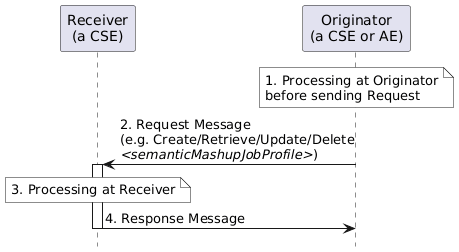

Figure 6.3.1‑1: Procedures for operating a
This procedure shall be used for creating a
Table 6.3.2‑1:
Associated Reference Point
|
Mca, Mcc and Mcc'.
|
Information in Request message
|
All parameters defined in Table 8.1.2‑3 in oneM2M TS-0001 [1] apply with the specific details for: Content : The resource content shall provide the information about an |
Processing at Originator before sending Request
|
According to clause 10.1.1.1 in oneM2M TS-0001 [1].
|
Processing at Receiver
|
According to clause 10.1.1.1 in oneM2M TS-0001 [1].
|
Information in Response message
|
All parameters defined in Table 8.1.3‑1 in oneM2M TS-0001 [1] apply with the specific details for: Content : Address of the created |
Processing at Originator after receiving Response
|
According to clause 10.1.1.1 in oneM2M TS-0001 [1].
|
Exceptions
|
According to clause 10.1.1.1 in oneM2M TS-0001 [1].
|
This procedure shall be used for retrieving the attributes of a
Table 6.3.3‑1:
Associated Reference Point
|
Mca, Mcc and Mcc'.
|
Information in Request message
|
All parameters defined in Table 8.1.2‑3 in oneM2M TS-0001 [1] apply with the specific details for: Content : void. |
Processing at Originator before sending Request
|
According to clause 10.1.2 in oneM2M TS-0001 [1].
|
Processing at Receiver
|
The Receiver shall verify the existence (including Filter Criteria checking, if it is given) of the target resource or the attribute and check if the Originator has appropriate privileges to retrieve information stored in the resource/attribute. Otherwise clause 10.1.2 in oneM2M TS-0001 [1] applies.
|
Information in Response message
|
All parameters defined in Table 8.1.3‑1 in oneM2M TS-0001 [1] apply with the specific details for: Content : attributes of the |
Processing at Originator after receiving Response
|
According to clause 10.1.2 in oneM2M TS-0001 [1].
|
Exceptions
|
According to clause 10.1.2 in oneM2M TS-0001 [1]. In addition, a timer has expired. The Receiver responds with an error. |
This procedure as described in Table 6.3.41 shall be used to update an existing
Table 6.3.4‑1:
Associated Reference Point
|
Mca, Mcc and Mcc'.
|
Information in Request message
|
All parameters defined in Table 8.1.2‑3 in oneM2M TS-0001 [1] apply with the specific details for: Content : attributes of the |
Processing at Originator before sending Request
|
According to clause 10.1.3 in oneM2M TS-0001 [1].
|
Processing at Receiver
|
According to clause 10.1.3 in oneM2M TS-0001 [1].
|
Information in Response message
|
According to clause 10.1.3 in oneM2M TS-0001 [1].
|
Processing at Originator after receiving Response
|
According to clause 10.1.3 in oneM2M TS-0001 [1].
|
Exceptions
|
According to clause 10.1.3 in oneM2M TS-0001 [1].
|
This procedure as described in Table 6.3.51 shall be used to delete an existing e> resource.
Table 6.3.5‑1:
Associated Reference Point
|
Mca, Mcc and Mcc'.
|
Information in Request message
|
All parameters defined in Table 8.1.2‑3 in oneM2M TS-0001 [1] apply.
|
Processing at Originator before sending Request
|
According to clause 10.1.4.1 in oneM2M TS-0001 [1].
|
Processing at Receiver
|
According to clause 10.1.4.1 in oneM2M TS-0001 [1]: If the If the |
Information in Response message
|
According to clause 10.1.4.1 in oneM2M TS-0001 [1].
|
Processing at Originator after receiving Response
|
According to clause 10.1.4.1 in oneM2M TS-0001 [1].
|
Exceptions
|
According to clause 10.1.4.1 in oneM2M TS-0001 [1].
|
A CSE/AE as a Mashup Requestor can request to create
Figure 6.4.1‑1 illustrates the procedural flow to operate a
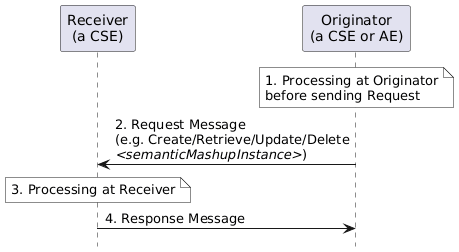

Figure 6.4.1‑1: Procedures for Operating a
This procedure shall be used for creating a
Table 6.4.2‑1:
Associated Reference Point
|
Mca, Mcc and Mcc'.
|
Information in Request message
|
All parameters defined in Table 8.1.2‑3 in oneM2M TS-0001 [1] apply with the specific details for: Content : The resource content shall provide the information about a |
Processing at Originator before sending Request
|
According to clause 10.1.1.1 in oneM2M TS-0001 [1]: - If the Originator knows the identifier or URI of each mashup member, it can include the value of mashupMember in the Request message. |
Processing at Receiver
|
According to clause 10.1.1.1 in oneM2M TS-0001 [1]: - The Receiver shall first check if the corresponding - The Receiver shall check if smjpInputParameter included in the Request message meets the input parameter requirement as specified by the inputDescripto r attribute of corresponding - According to the memberFilter attribute of the retrieved - Dependent on the memberStoreType attribute contained in the Request message, the Receiver maintains each member resource in different ways. If memberStoreType ="URI Only", the Receiver creates the mashupMember attribute containing the URIs of the determined member resources. If memberStoreType ="URI and Value", the Receiver creates the mashupMember attribute, retrieves the content value of each member resource and then stores both the identifier and the content value of each member resource in the mashupMember attribute. - Depending on the resultGenType attribute contained in the Request message, the Receiver prepares to execute the corresponding semantic mashup job profile as follows: - If resultGenType =" When SMI Is Created", the Receiver retrieves the content value of each member resource if not retrieved yet; then it executes mashup functions as specified by the - If resultGenType ="When A Mashup Requestor Requests", there is no further processing at the Receiver. - If resultGenType ="Periodically", the Receiver shall set up a timer according to the periodForResultGen attribute contained in the Request message. When the timer expires, the Receiver shall retrieve the content value of each member resource and re-generate the mashup result; then it renews the timer. - If resultGenType ="When A Mashup Member Is Updated", there is no further processing at the Receiver. |
Information in Response message
|
All parameters defined in Table 8.1.3‑1 in oneM2M TS-0001 [1] apply with the specific details for: Content : Address of the created |
Processing at Originator after receiving Response
|
According to clause 10.1.1.1 in oneM2M TS-0001 [1].
|
Exceptions
|
According to clause 10.1.1.1 in oneM2M TS-0001 [1].
|
This procedure shall be used for retrieving the attributes of a
Table 6.4.3‑1:
Associated Reference Point
|
Mca, Mcc and Mcc'.
|
Information in Request message
|
All parameters defined in Table 8.1.2‑3 in oneM2M TS-0001 [1] apply with the specific details for: Content : void. |
Processing at Originator before sending Request
|
According to clause 10.1.2 in oneM2M TS-0001 [1].
|
Processing at Receiver
|
The Receiver shall verify the existence (including Filter Criteria checking, if it is given) of the target resource or the attribute and check if the Originator has appropriate privileges to retrieve information stored in the resource/attribute. Otherwise clause 10.1.2 in oneM2M TS-0001 [1] applies.
|
Information in Response message
|
All parameters defined in Table 8.1.3‑1 in oneM2M TS-0001 [1] apply with the specific details for: Content : attributes of the |
Processing at Originator after receiving Response
|
According to clause 10.1.2 in oneM2M TS-0001 [1].
|
Exceptions
|
According to clause 10.1.2 in oneM2M TS-0001 [1].
|
This procedure as described in Table 6.4.4‑1 shall be used to update an existing
Table 6.4.4‑1:
Associated Reference Point
|
Mca, Mcc and Mcc'.
|
Information in Request message
|
All parameters defined in Table 8.1.2‑3 in oneM2M TS-0001 [1] apply with the specific details for: Content : attributes of the |
Processing at Originator before sending Request
|
According to clause 10.1.3 in oneM2M TS-0001 [1].
|
Processing at Receiver
|
According to clause 10.1.3 in oneM2M TS-0001 [1]: - If the updated attribute in the Request message is smjpInputParameter, the Receiver shall recalculate the semantic mashup result using the new values of input parameters. - If the mashupMember attribute is updated (e.g. an existing mashup member is not available anymore and a new mashup member is identified) and resultGenType ="When A Mashup Member Is Updated", the Hosting CSE shall re-calculate the semantic mashup result using the new mashup members. - If the updated attribute in the Request message is memberStoreType, the Receiver needs to change the way to maintain mashup member resources. For example, if memberStoreType is updated from "URI Only" to "URI and Value", the Receiver needs to retrieve the content value of each mashup member resource and store the values together with URI in mashupMember attribute. If memberStoreTy pe is updated from "URI and Value" to "URI Only", the Receiver needs mashupMember attribute to only maintain the identifier of each mashup member. - If the updated attribute in the Request message is resultGenType, the Receiver changes the way to calculate/generate the semantic mashup result accordingly. |
Information in Response message
|
According to clause 10.1.3 in oneM2M TS-0001 [1].
|
Processing at Originator after receiving Response
|
According to clause 10.1.3 in oneM2M TS-0001 [1].
|
Exceptions
|
According to clause 10.1.3 in oneM2M TS-0001 [1].
|
This procedure as described in Table 6.4.5‑1 shall be used to delete an existing
Table 6.4.5‑1:
Associated Reference Point
|
Mca, Mcc and Mcc'.
|
Information in Request message
|
All parameters defined in Table 8.1.2‑3 in oneM2M TS-0001 [1] apply.
|
Processing at Originator before sending Request
|
According to clause 10.1.4.1 in oneM2M TS-0001 [1].
|
Processing at Receiver
|
According to clause 10.1.4.1 in oneM2M TS-0001 [1]. - In addition, The Receiver removes this |
Information in Response message
|
According to clause 10.1.4.1 in oneM2M TS-0001 [1].
|
Processing at Originator after receiving Response
|
According to clause 10.1.4.1 in oneM2M TS-0001 [1].
|
Exceptions
|
According to clause 10.1.4.1 in oneM2M TS-0001 [1].
|
The
Only Retrieve operation shall be allowed on a
This procedure shall be used for triggering the CSE which hosts the
Table 6.5.2‑1:
Associated Reference Point
|
Mca, Mcc and Mcc'.
|
Information in Request message
|
All parameters defined in Table 8.1.2‑3 in oneM2M TS-0001 [1] apply with the specific details for: To: Content: void. |
Processing at Originator before sending Request
|
According to clause 10.1.2 in oneM2M TS-0001 [1].
|
Processing at Receiver
|
The Receiver shall check if the Originator has appropriate privileges. Otherwise clause 10.1.2 in oneM2M TS-0001 [1] applies: The Hosting CSE triggers the recalculation of semantic mashup result for |
Information in Response message
|
All parameters defined in Table 8.1.3‑1 in oneM2M TS-0001 [1] apply with the specific details for: Content: the mashup result, if indicated in the request. |
Processing at Originator after receiving Response
|
According to clause 10.1.2 in oneM2M TS-0001 [1].
|
Exceptions
|
According to clause 10.1.2 in oneM2M TS-0001 [1]. In addition: a timer has expired. The Receiver responds with an error. |
Information in Request message
|
All parameters defined in Table 8.1.2‑3 in oneM2M TS-0001 [1] apply | with the specific details for: | To: Content: void. | |
|
Processing at Originator before sending Request
|
According to clause 10.1.2 in oneM2M TS-0001 [1].
|
|
Processing at Receiver
|
The Receiver shall check if the Originator has appropriate privileges. Otherwise clause 10.1.2 in oneM2M TS-0001 [1] applies: The Hosting CSE triggers the recalculation of semantic mashup result for |
|
Information in Response message
|
All parameters defined in Table 8.1.3‑1 in oneM2M TS-0001 [1] apply with the specific details for: Content: the mashup result, if indicated in the request. |
|
Processing at Originator after receiving Response
|
According to clause 10.1.2 in oneM2M TS-0001 [1].
|
|
Exceptions
|
According to clause 10.1.2 in oneM2M TS-0001 [1]. In addition: a timer has expired. The Receiver responds with an error. |
|
Figure 6.6.1‑1 illustrates the procedure to operate a
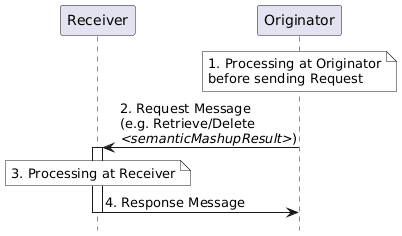

Figure 6.6.1‑1: Procedures for operating a
This procedure shall be used for retrieving the attributes of a
Table 6.6.2‑1:
Associated Reference Point
|
Mca, Mcc and Mcc'.
|
Information in Request message
|
All parameters defined in Table 8.1.2‑3 in oneM2M TS-0001 [1] apply with the specific details for: Content: void. |
Processing at Originator before sending Request
|
According to clause 10.1.2 in oneM2M TS-0001 [1].
|
Processing at Receiver
|
The Receiver shall verify the existence (including Filter Criteria checking, if it is given) of the target resource or the attribute and check if the Originator has appropriate privileges to retrieve information stored in the resource/attribute. Otherwise clause 10.1.2 in oneM2M TS-0001 [1] applies.
|
Information in Response message
|
All parameters defined in Table 8.1.3‑1 in oneM2M TS-0001 [1] apply with the specific details for: Content: attributes of the |
Processing at Originator after receiving Response
|
According to clause 10.1.2 in oneM2M TS-0001 [1].
|
Exceptions
|
According to clause 10.1.2 in oneM2M TS-0001 [1]. In addition: a timer has expired. The Receiver responds with an error. |
This procedure as described in Table 6.6.3‑1 shall be used to delete an existing
Table 6.6.3‑1:
Associated Reference Point
|
Mca, Mcc and Mcc'.
|
Information in Request message
|
All parameters defined in Table 8.1.2‑3 in oneM2M TS-0001 [1] apply.
|
Processing at Originator before sending Request
|
According to clause 10.1.4.1 in oneM2M TS-0001 [1].
|
Processing at Receiver
|
According to clause 10.1.4.1 in oneM2M TS-0001 [1].
|
Information in Response message
|
According to clause 10.1.4.1 in oneM2M TS-0001 [1].
|
Processing at Originator after receiving Response
|
According to clause 10.1.4.1 in oneM2M TS-0001 [1].
|
Exceptions
|
According to clause 10.1.4.1 in oneM2M TS-0001 [1].
|
The child resources (see child resources (see clause 6.8). The ontology repository may further provide semantic validation function by the
This procedure shall be used for creating a
Table 6.7.2‑1:
Associated Reference Point
|
Mca, Mcc and Mcc'
|
Information in Request message
|
All parameters defined in table 8.1.2‑2 in oneM2M TS-0001 [1] apply with the specific details for: Content: The resource content shall provide the information as defined in the clause 9.6.50 in oneM2M TS-0001 [1]. |
Processing at Originator before sending Request
|
According to clause 10.1.2 in oneM2M TS-0001 [1].
|
Processing at Receiver
|
According to clause 10.1.2 in oneM2M TS-0001 [1]. The hosting CSE shall also create the |
Information in Response message
|
According to clause 10.1.2 in oneM2M TS-0001 [1].
|
Processing at Originator after receiving Response
|
According to clause 10.1.2 in oneM2M TS-0001 [1].
|
Exceptions
|
According to clause 10.1.2 in oneM2M TS-0001 [1].
|
This procedure shall be used for retrieving
Table 6.7.3‑1:
Associated Reference Point
|
Mca, Mcc and Mcc'.
|
Information in Request message
|
All parameters defined in table 8.1.2‑2 in oneM2M TS-0001 [1].
|
Processing at Originator before sending Request
|
According to clause 10.1.3 in oneM2M TS-0001 [1].
|
Processing at Receiver
|
According to clause 10.1.3 in oneM2M TS-0001 [1].
|
Information in Response message
|
All parameters defined in table 8.1.3‑1 in oneM2M TS-0001 [1] apply.
|
Processing at Originator after receiving Response
|
According to clause 10.1.3 in oneM2M TS-0001 [1].
|
Exceptions
|
According to clause 10.1.3 in oneM2M TS-0001 [1].
|
This procedure shall be used for updating an existing
Table 6.7.4‑1:
Associated Reference Point
|
Mca, Mcc and Mcc'.
|
Information in Request message
|
All parameters defined in table 8.1.2‑2 in oneM2M TS-0001 [1].
|
Processing at Originator before sending Request
|
According to clause 10.1.4 in oneM2M TS-0001 [1].
|
Processing at Receiver
|
According to clause 10.1.4 in oneM2M TS-0001 [1].
|
Information in Response message
|
According to clause 10.1.4 in oneM2M TS-0001 [1].
|
Processing at Originator after receiving Response
|
According to clause 10.1.4 in oneM2M TS-0001 [1].
|
Exceptions
|
According to clause 10.1.4 in oneM2M TS-0001 [1].
|
This procedure shall be used for deleting an existing
Table 6.7.5‑1:
Associated Reference Point
|
Mca, Mcc and Mcc'
|
Information in Request message
|
All parameters defined in table 8.1.2‑2 apply in oneM2M TS-0001 [1].
|
Processing at Originator before sending Request
|
According to clause 10.1.5 in oneM2M TS-0001 [1].
|
Processing at Receiver
|
According to clause 10.1.5 in oneM2M TS-0001 [1]. The hosting CSE shall also delete the |
Information in Response message
|
According to clause 10.1.5 in oneM2M TS-0001 [1].
|
Processing at Originator after receiving Response
|
According to clause 10.1.5 in oneM2M TS-0001 [1].
|
Exceptions
|
According to clause 10.1.5 in oneM2M TS-0001 [1].
|
Each resource represents an ontology under management in the oneM2M system. It may contain the full representation or the IRI reference of the managed ontology. It is managed by simple CRUD operations as ordinary resource or by more advanced SPARQL operations (contained in the payload of the Update and Retrieve) at the granularity of RDF-triple level. resource represents an ontology under management in the oneM2M system. It may contain the full representation or the IRI reference of the managed ontology. It is managed by simple CRUD operations as ordinary resource or by more advanced SPARQL operations (contained in the payload of the Update and Retrieve) at the granularity of RDF-triple level.
This procedure shall be used for deleting an existing
Table 6.8.2‑1:
Associated Reference Point
|
Mca, Mcc and Mcc'
|
Information in Request message
|
All parameters defined in table 8.1.2‑2 in oneM2M TS-0001 [1] apply with the specific details for: Content: The resource content shall provide the information as defined in clause 9.6.51 in oneM2M TS-0001 [1]. |
Processing at Originator before sending Request
|
According to clause 10.1.2 in oneM2M TS-0001 [1].
|
Processing at Receiver
|
According to clause 10.1.2 in oneM2M TS-0001 [1] with the specific details as follows: The Hosting CSE shall check that the ontologyContent attribute conforms to the syntax as defined in the ontologyFormat attribute. |
Information in Response message
|
According to clause 10.1.2 in oneM2M TS-0001 [1].
|
Processing at Originator after receiving Response
|
According to clause 10.1.2 in oneM2M TS-0001 [1].
|
Exceptions
|
According to clause 10.1.2 in oneM2M TS-0001 [1].
|
This procedure shall be used for deleting an existing_
Table 6.8.3‑1: :_ RETRIEVE RETRIEVE
Associated Reference Point
|
Mca, Mcc and Mcc'.
|
Information in Request message
|
All parameters defined in table 8.1.2‑2 in oneM2M TS-0001 [1].
|
Processing at Originator before sending Request
|
According to clause 10.1.3 in oneM2M TS-0001 [1].
|
Processing at Receiver
|
According to clause 10.1.3 in oneM2M TS-0001 [1].
|
Information in Response message
|
All parameters defined in table 8.1.3‑1 in oneM2M TS-0001 [1] apply.
|
Processing at Originator after receiving Response
|
According to clause 10.1.3 in oneM2M TS-0001 [1].
|
Exceptions
|
According to clause 10.1.3 in oneM2M TS-0001 [1].
|
This procedure shall be used for deleting an existing_
Table 6.8.4‑1:
Associated Reference Point
|
Mca, Mcc and Mcc'
|
Information in Request message
|
All parameters defined in table 8.1.2‑2 in oneM2M TS-0001 [1] shall apply with the specific details for the Content request parameter which may contain the new ontology information in one of the following ways: the full representation of the new ontology triples in the ontologyContent attribute; or the new IRI of the ontology in the ontologyContent attribute; or the partial representation of the new ontology as described in SPARQL statements [2] in the semanticOpExec attribute in the case that the ontologyFormat is not 'IRI'. |
Processing at Originator before sending Request
|
According to clause 10.1.4 in oneM2M TS-0001 [1].
|
Processing at Receiver
|
According to clause 10.1.4 in oneM2M TS-0001 [1] with the specific details as follows: Check if both semanticOpExec attribute and ontologyContent attribute exist in the the Content request parameter, if so, return an error code. In the case that the Content request parameter contains partial representation of the new ontology as described in SPARQL statements [2] in the semanticOpExec attribute, and the ontologyFormat is not set to 'IRI', the Hosting CSE shall update the ontologyContent attribute according to the execution result of the SPARQL statements [2]. In the case that the Content request parameter contains the ontologyContent attribute, the Hosting CSE shall check that the ontologyContent attribute conforms to the syntax as defined in the ontologyFormat attribute. |
Information in Response message
|
According to clause 10.1.4 in oneM2M TS-0001 [1].
|
Processing at Originator after receiving Response
|
According to clause 10.1.4 in oneM2M TS-0001 [1].
|
Exceptions
|
According to clause 10.1.4 in oneM2M TS-0001 [1].
|
Table 6.8.5‑1:
Associated Reference Point
|
Mca, Mcc and Mcc'
|
Information in Request message
|
All parameters defined in table 8.1.2‑2 in oneM2M TS-0001 [1] apply.
|
Processing at Originator before sending Request
|
According to clause 10.1.5 in oneM2M TS-0001 [1].
|
Processing at Receiver
|
According to clause 10.1.5 in oneM2M TS-0001 [1].
|
Information in Response message
|
According to clause 10.1.5 in oneM2M TS-0001 [1].
|
Processing at Originator after receiving Response
|
According to clause 10.1.5 in oneM2M TS-0001 [1].
|
Exceptions
|
According to clause 10.1.5 in oneM2M TS-0001 [1].
|
Table 6.8.6‑1: Semantic query on
Semantic query on |
|
|---|---|
Associated Reference Point
|
Mca, Mcc and Mcc'
|
Information in Request message
|
All parameters defined in table 8.1.2‑2 in oneM2M TS-0001 [1] apply. In addition, the semantic query request shall be issued as a RETRIEVE operation with: A SPARQL query statement in the semanticsFilter condition tag of the Filter Criteria request parameter. A Result Content request parameter with the value set to 'semantic-content'. A Semantic Query Indicator request parameter with the value set to 'TRUE'. See more details in clause 7.5. |
Processing at Originator before sending Request
|
According to clause 10.1.3 in oneM2M TS-0001 [1].
|
Processing at Receiver
|
According to clause 10.1.3 in oneM2M TS-0001 [1] with the following specific details: The hosting CSE shall execute the SPARQL query statement against the content attribute of the |
Information in Response message
|
According to clause 10.1.3 in oneM2M TS-0001 [1].
|
Processing at Originator after receiving Response
|
According to clause 10.1.3 in oneM2M TS-0001 [1].
|
Exceptions
|
According to clause 10.1.3 in oneM2M TS-0001 [1].
|
Semantic query defined in clause 7.5 shall be used for retrieving the semantic information (triples) from an
Some SPARQL query statement examples are given as follows:
SELECT ?subject WHERE { ?subject rdfs:subClassOf+ owl:Thing }SELECT ?subject WHERE { {?subject rdf:type+ owl:ObjectProperty } UNION {?subject rdf:type+ owl:DatatypeProperty } }SELECT ?subject WHERE { ?subject rdfs:subClassOf saref:Command }SELECT ?subject WHERE { ?subject rdfs:subClassOf + saref:Command }SELECT ?object WHERE { saref:SetAbsoluteLevelCommand rdfs:subClassOf + ?object }SELECT ?subject ?object WHERE { ?subject rdfs:domain saref:Service }SELECT ?subject ?object WHERE { ?subject rdfs:range saref:Command }SELECT ?subject WHERE { ?subject rdfs:subPropertyOf om:singular_unit }SELECT ?class WHERE {{ saref:Device owl:equivalentClass ?class} UNION {?class owl:equivalentClass saref:Device}}The
The
The Retrieve operation is not applicable for
This procedure shall be used for validating a
Table 6.9.4‑1:
Associated Reference Point
|
Mca, Mcc and Mcc'.
|
Information in Request message
|
All parameters defined in table 8.1.2‑3 in oneM2M TS-0001 [1]. Besides, the resource representation in the Content parameter of the request message shall be set as the |
Processing at Originator before sending Request
|
According to clause 10.1.4 in oneM2M TS-0001 [1].
|
Processing at Receiver
|
The Recevier shall follow the basic procedure according to clause 10.1.4 in oneM2M TS-0001 [1], with the following specific details: retrieve the semantic description (i.e. the triples in descriptor attribute of), the URI to the referenced ontology in ontologyRef attribute and potential links to other linked retrieve the referenced ontology, any linked perform semantic validation according to clause 7.10. |
Information in Response message
|
According to clause 10.1.4 in oneM2M TS-0001 [1].
|
Processing at Originator after receiving Response
|
According to clause 10.1.4 in oneM2M TS-0001 [1]. In case the Originator is the hosting CSE of the |
Exceptions
|
According to clause 10.1.4 in oneM2M TS-0001 [1].
|
The
The ontology mapping task shall be performed by the Create or Update operation against an
This procedure shall be used for performing the ontology mapping task by creating a
Table 6.10.2‑1:
Associated Reference Point
|
Mca, Mcc and Mcc'.
|
Information in Request message
|
All parameters defined in [1] table 8.1.2‑2 apply with the specific details for: Content : The resource content shall provide the information about an |
Processing at Originator before sending Request
|
According to clause 10.1.2 in [1].
|
Processing at Receiver
|
The receiver shall follow the basic procedure according to clause 10.1.2 of [1], with the following specific details: Determine the source Determine the ontology mapping method according to the mapping method description including the mappingPolicy and mappingAlgorithmLinks attributes provided in the request; Retrieve the source Retrieve the Create the ontology mapping relationships between the source Store the mapping result in the |
Information in Response message
|
All parameters defined in table 8.1.3‑1 in [1] shall apply with the specific details for: Content : Address of the created |
Processing at Originator after receiving Response
|
According to clause 10.1.2 in [1].
|
Exceptions
|
According to clause 10.1.2 in [1].
|
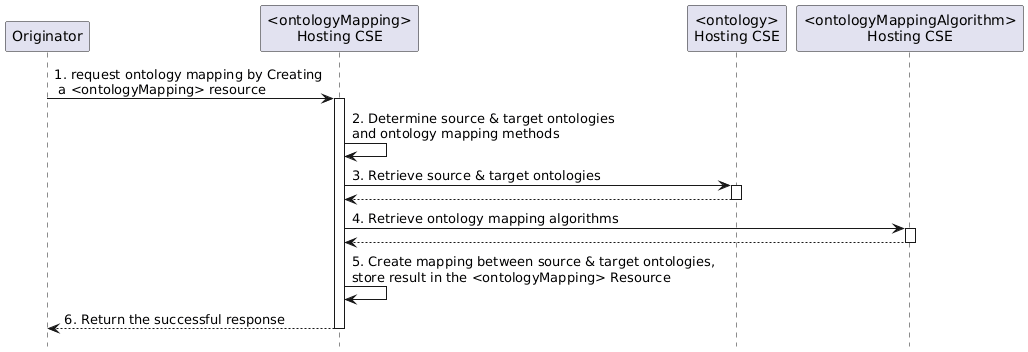

Figure 6.10.2‑1: The ontology mapping procedure by Create/Update a
The normal message flow Create
Table 6.10.2‑2: ontology mapping process according to different mapping policies and the provided mapping algorithms
mappingPolicy
|
mappingAlgorithmLinks
|
ontology mapping process by the hosting CSE
|
|---|---|---|
single
|
contains the resourceID (s) of one or more existing |
Decide to use a single ontology mapping algorithm for the ontology mapping between the source and target ontologies. If more than one |
multiple
|
contains the resourceID s of two or more existing |
Decide to use two or more different types of mapping algorithms (based on the algorithmType attribute of the The hosting CSE may decide to use a subset (at least two types) of the provided algorithms according to its local policy. If the number of the types of the provided algorithms is less than two, the hosting CSE shall reject the request with an error. |
traversal
|
contains the resourceID (s) of one or more existing |
Decide to use all the provided ontology mapping algorithms in a traversal way for the ontology mapping between the source and target ontologies.
|
| ||
Figure 6.10.2‑2 shows an example of the ontology mapping between the source ontology (Ontology-A) and the target ontology (Ontology-B). Assuming the mappingPolicy=multiple and the mappingAlgorithmLinks points to two
The mapping relationships (RDF Triple #1/2/3/4) are stored in the mappingResult attribute of the
The hosting CSE shall return the successful response to the Originator with the resourceID of the created
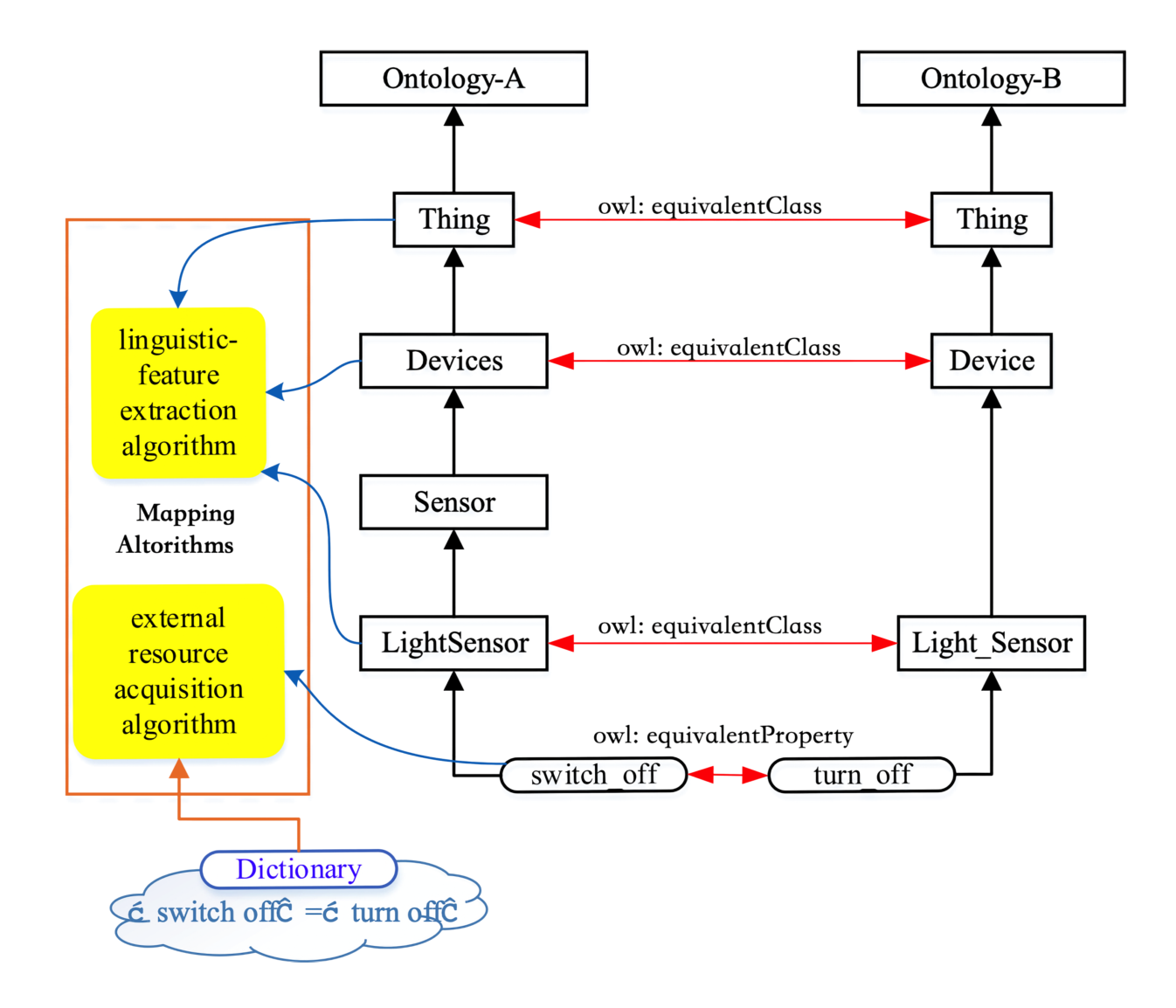

Figure 6.10.2‑2: Example of the mapping result between ontology A and ontology B
The ontology mapping result can be retrieved by the Retrieve operation against an
Table 6.10.3‑1:
Associated Reference Point
|
Mca, Mcc and Mcc'.
|
Information in Request message
|
All parameters defined in [1] table 8.1.2‑2.
|
Processing at Originator before sending Request
|
According to clause 10.1.3 in [1].
|
Processing at Receiver
|
The receiver shall follow the basic procedure according to clause 10.1.2 of [1].
|
Information in Response message
|
All parameters defined in table 8.1.3‑1 apply with the specific details for: Content : attributes of the |
Processing at Originator after receiving Response
|
According to clause 10.1.3 in [1].
|
Exceptions
|
According to clause 10.1.3 in [1].
|
The ontology mapping task may also be performed by the Update operation against an
Table 6.10.4‑1:
Associated Reference Point
|
Mca, Mcc and Mcc'.
|
Information in Request message
|
All parameters defined in [1] table 8.1.2‑2 apply with the specific details for: Content : The resource content shall provide the information about an |
Processing at Originator before sending Request
|
According to clause 10.1.4 in [1].
|
Processing at Receiver
|
The receiver shall follow the basic procedure according to clause 10.1.4 of [1], with the following specific details: Determine the source Determine the ontology mapping method according to the mapping method description including the mappingPolicy and mappingAlgorithmLinks attributes provided in the request; Retrieve the source Retrieve the Create the ontology mapping relationships between the source Store the mapping result in the |
Information in Response message
|
According to clause 10.1.4 in [1].
|
Processing at Originator after receiving Response
|
According to clause 10.1.4 in [1].
|
Exceptions
|
According to clause 10.1.4 in [1].
|
This procedure shall be used for deleting a
Table 6.10.5‑1:
Associated Reference Point
|
Mca, Mcc and Mcc'
|
Information in Request message
|
All parameters defined in table 8.1.2‑2 in [1] apply
|
Processing at Originator before sending Request
|
According to clause 10.1.5 in [1]
|
Processing at Receiver
|
According to clause 10.1.5 in [1]
|
Information in Response message
|
According to clause 10.1.5 in [1]
|
Processing at Originator after receiving Response
|
According to clause 10.1.5 in [1]
|
Exceptions
|
According to clause 10.1.5 in [1]
|
Ontology mapping algorithms are represented as
The CRUD operation against a
A
This procedure is used for creating a
Table 6.13.2‑1:
Associated Reference Point
|
Mca, Mcc and Mcc'
|
Information in Request message
|
All parameters defined in TS-0001 [1] table 8.1.2‑3 apply with the specific details for: Content : The resource content provides the information as defined in the resource definition of |
Processing at Originator before sending Request
|
According to clause 10.1.2 in oneM2M TS-0001 in [1].
|
Processing at Receiver
|
According to clause 10.1.2 in oneM2M TS-0001 in [1].
|
Information in Response message
|
All parameters defined in table 8.1.3‑1 in [1] apply with the specific details for: Content : Address of the created |
Processing at Originator after receiving Response
|
According to clause 10.1.2 in oneM2M TS-0001 in [1].
|
Exceptions
|
According to clause 10.1.2 in oneM2M TS-0001 in [1].
|
This procedure is used for retrieving the attributes of a
Table 6.13.3‑1:
Processing at Originator before sending Request
|
According to clause 10.1.3 in oneM2M TS-0001 in [1].
|
Processing at Receiver
|
According to clause 10.1.3 in oneM2M TS-0001 in [1].
|
Processing at Originator after receiving Response
|
According to clause 10.1.3 in oneM2M TS-0001 in [1].
|
Exceptions
|
According to clause 10.1.3 in oneM2M TS-0001 in [1].
|
Information in Request message
|
All parameters defined in Table 8.1.2‑3 in [1] apply.
|
Information in Response message
|
All parameters defined in Table 8.1.3‑1 in [1] apply with the specific details for: Content: Attributes of the |
Associated Reference Point
|
Mca, Mcc and Mcc'.
|
This procedure is used for updating the attributes of a
Table 6.13.4‑1:
Associated Reference Point
|
Mca, Mcc and Mcc'
|
Information in Request message |
All parameters defined in Table 8.1.2‑3 in [1] apply with the specific details for: Content : Attributes of the |
Processing at Originator before sending Request
|
According to clause 10.1.4 in oneM2M TS-0001 in [1].
|
Processing at Receiver
|
According to clause 10.1.4 in oneM2M TS-0001 in [1].
|
Information in Response message
|
According to clause 10.1.4 in oneM2M TS-0001 in [1].
|
Processing at Originator after receiving Response
|
According to clause 10.1.4 in oneM2M TS-0001 in [1].
|
Exceptions
|
According to clause 10.1.4 in oneM2M TS-0001 in [1].
|
This procedure is used for deleting a
Table 6.13.5‑1:
Associated Reference Point
|
Mca, Mcc and Mcc'
|
Information in Request message
|
All parameters defined in table 8.1.2‑3 in [1] apply.
|
Processing at Originator before sending Request
|
According to clause 10.1.5 in oneM2M TS-0001 in [1].
|
Processing at Receiver
|
According to clause 10.1.5 in oneM2M TS-0001 in [1].
|
Information in Response message
|
According to clause 10.1.5 in oneM2M TS-0001 in [1].
|
Processing at Originator after receiving Response
|
According to clause 10.1.5 in oneM2M TS-0001 in [1].
|
Exceptions
|
According to clause 10.1.5 in oneM2M TS-0001 in [1].
|
A
This procedure is used for creating a
Table 6.14.2‑1:
Associated Reference Point
|
Mca, Mcc and Mcc'
|
Information in Request message
|
All parameters defined in Table 8.1.2‑3 in TS-0001 [1] apply with the specific details for: Content : The resource content provides the information as defined in the resource definition of |
Processing at Originator before sending Request
|
According to clause 10.1.2 in oneM2M TS-0001 in [1].
|
Processing at Receiver
|
According to clause 10.1.2 in oneM2M TS-0001 in [1].
|
Information in Response message
|
All parameters defined in table 8.1.3‑1 in [i.3] apply with the specific details for: Content : Address of the created |
Processing at Originator after receiving Response
|
According to clause 10.1.2 in oneM2M TS-0001 in [1].
|
Exceptions
|
According to clause 10.1.2 in oneM2M TS-0001 in [1].
|
This procedure is used for retrieving the attributes of a
Table 6.14.3‑1:
Associated Reference Point
|
Mca, Mcc and Mcc'.
|
Information in Request message
|
All parameters defined in table 8.1.2‑3 in [1] apply.
|
Processing at Originator before sending Request
|
According to clause 10.1.3 in oneM2M TS-0001 in [1].
|
Processing at Receiver
|
According to clause 10.1.3 in oneM2M TS-0001 in [1].
|
Information in Response message
|
All parameters defined in Table 8.1.3‑1 in [1] apply with the specific details for: Content: Attributes of the |
Processing at Originator after receiving Response
|
According to clause 10.1.3 in oneM2M TS-0001 in [1].
|
Exceptions
|
According to clause 10.1.3 in oneM2M TS-0001 in [1].
|
This procedure is used for updating the attributes of a
Table 6.14.4‑1:
Associated Reference Point
|
Mca, Mcc and Mcc'
|
Information in Request message |
All parameters defined in Table 8.1.2‑3 in [1] apply with the specific details for: Content : Attributes of the |
Processing at Originator before sending Request
|
According to clause 10.1.4 in oneM2M TS-0001 in [1].
|
Processing at Receiver
|
According to clause 10.1.4 in oneM2M TS-0001 in [1].
|
Information in Response message
|
According to clause 10.1.4 in oneM2M TS-0001 in [1].
|
Processing at Originator after receiving Response
|
According to clause 10.1.4 in oneM2M TS-0001 in [1].
|
Exceptions
|
According to clause 10.1.4 in oneM2M TS-0001 in [1].
|
This procedure is used for deleting a
Table 6.14.5‑1:
Associated Reference Point
|
Mca, Mcc and Mcc'
|
Information in Request message
|
All parameters defined in Table 8.1.2‑3 in [1] apply.
|
Processing at Originator before sending Request
|
According to clause 10.1.5 in oneM2M TS-0001 in [1].
|
Processing at Receiver
|
According to clause 10.1.5 in oneM2M TS-0001 in [1].
|
Information in Response message
|
According to clause 10.1.5 in oneM2M TS-0001 in [1].
|
Processing at Originator after receiving Response
|
According to clause 10.1.5 in oneM2M TS-0001 in [1].
|
Exceptions
|
According to clause 10.1.5 in oneM2M TS-0001 in [1].
|
A Reasoning Initiator (RI), such as an AE or CSE, may trigger two types of reasoning operations. One type is a "one-time" reasoning operation. This is applicable to the case where a reasoning operation can be executed over a Fact Set (FS) and a Rule Set (RS) that may not change over time. In comparison, the other type is a "continuous" reasoning operation. The second type is applicable to the cases where the input FS and RS for reasoning may change over time, and accordingly the previously inferred knowledge may not be valid anymore. Therefore, new reasoning is executed over the latest version of FS and RS in order to generate up-to-date inferred knowledge.
A
This procedure is used for creating a
Table 6.15.2‑1:
Associated Reference Point
|
Mca, Mcc and Mcc'
|
Information in Request message
|
All parameters defined in [1] table 8.1.2‑3 apply with the specific details for: Content: The resource content provides the information as defined in the resource definition of |
Processing at Originator before sending Request
|
According to clause 10.1.2 in oneM2M TS-0001 in [1].
|
Processing at Receiver
|
The Receiver follows the basic procedure according to clause 10.1.4 in oneM2M TS-0001 [1], with the following specific details: 1. The receiver first retrieves the facts from the resources referred to by the factSet attribute. For example, - If a referred resource is a type of - If a referred resource is a type of 2. The receiver retrieves all the related reasoning rules for the resources referred to by the ruleSet attribute. For example, - If a referred resource is a 3. The receiver includes the retrieved facts and rules from the previous steps, as well as optional facts/rules based on local policies, as inputs for the semantic reasoning operation. The receiver performs semantic reasoning processing using these inputs and produces the reasoning result and stores it in the resultRepresentation attribute of the created 4. If the created |
Information in Response message
|
All parameters defined in table 8.1.3‑1 in [1] apply with the specific details for: Content : Address of the created |
Processing at Originator after receiving Response
|
According to clause 10.1.2 in oneM2M TS-0001 in [1].
|
Exceptions
|
According to clause 10.1.2 in oneM2M TS-0001 in [1].
|
This procedure is used for retrieving the attributes of a
Table 6.15.3‑1:
Associated Reference Point
|
Mca, Mcc and Mcc'.
|
Information in Request message
|
All parameters defined in table 8.1.2‑3 in [1] apply.
|
Processing at Originator before sending Request
|
According to clause 10.1.3 in oneM2M TS-0001 in [1].
|
Processing at Receiver
|
According to clause 10.1.3 in oneM2M TS-0001 in [1].
|
Information in Response message
|
All parameters defined in table 8.1.3‑1 in [i.3] apply with the specific details for: Content: Attributes of the |
Processing at Originator after receiving Response
|
According to clause 10.1.3 in oneM2M TS-0001 in [1].
|
Exceptions
|
According to clause 10.1.3 in oneM2M TS-0001 in [1].
|
This procedure is used for updating the attributes of a
Table 6.15.4‑1:
Associated Reference Point
|
Mca, Mcc and Mcc'
|
Information in Request message |
All parameters defined in table 8.1.2‑3 in [1] apply with the specific details for: Content : Attributes of the |
Processing at Originator before sending Request
|
According to clause 10.1.4 in oneM2M TS-0001 in [1].
|
Processing at Receiver
|
According to clause 10.1.4 in oneM2M TS-0001 in [1].
|
Information in Response message
|
According to clause 10.1.4 in oneM2M TS-0001 in [1].
|
Processing at Originator after receiving Response
|
According to clause 10.1.4 in oneM2M TS-0001 in [1].
|
Exceptions
|
According to clause 10.1.4 in oneM2M TS-0001 in [1].
|
This procedure is used for deleting a
Table 6.15.5‑1:
Associated Reference Point
|
Mca, Mcc and Mcc'
|
Exceptions
|
According to clause 10.1.5 in oneM2M TS-0001 in [1].
|
Information in Request message
|
All parameters defined in table 8.1.2‑3 in [1] apply.
|
Information in Response message
|
According to clause 10.1.5 in oneM2M TS-0001 in [1].
|
Processing at Originator after receiving Response
|
According to clause 10.1.5 in oneM2M TS-0001 in [1].
|
Processing at Originator before sending Request
|
According to clause 10.1.5 in oneM2M TS-0001 in [1].
|
Processing at Receiver
|
According to clause 10.1.5 in oneM2M TS-0001 in [1].
|