 oneM2M TS-0035Release Notes diff from v5.0.2 to v5.0.1oneM2M TS-0035Release Notes diff from v5.0.2 to v5.0.1
The OSGi DAL (Device Abstraction Layer) [i.23] is an OSGi defined service to unify interfaces for accessing devices. By using the OSGi DAL, application developers do not need to deal with protocol details to interact with different types of devices such as sensors, actuators, etc.
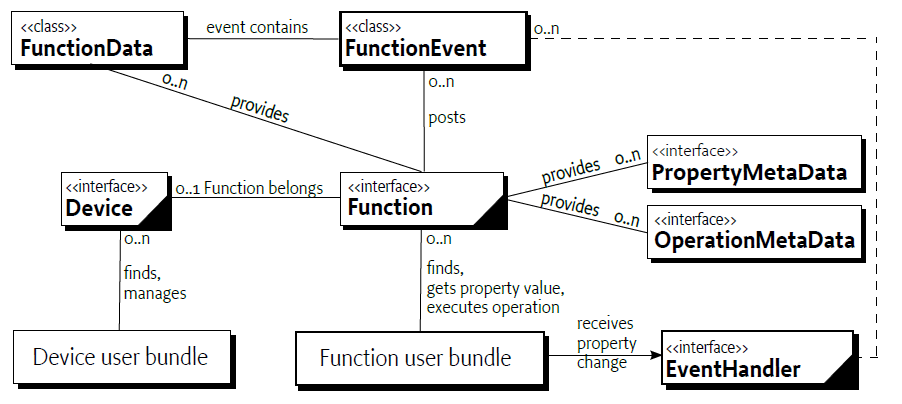
Figure 6.1‑1: OSGi DAL [i.23]
OSGi DAL is comprised of several services:
The device service defined by OSGi DAL maps to a oneM2M NoDN and is represented as a specialized
The OSGi device service itself shall be mapped to a specialized , and its child [deviceInfo] resource.
Once an OSGi device service is registered at the OSGi framework, the IPE shall be responsible for acquiring all OSGi device service properties and other related services (such as OSGi function services) and creating the corresponding resources on the oneM2M CSE.
Upon the registration of an OSGi device service, the IPE should create a
Table 6.2‑1: Mapping of OSGi device service to oneM2M resources
OSGi
|
oneM2M
|
Description
|
|---|---|---|
OSGi device service
|
The | |
SERVICE_UID property
|
See description
|
Maps to the resourceID of the |
SERVICE_REFERENCE_UIDS property
|
See description
|
Reference device maps to the sub-device defined in oneM2M. Therefore, the reference device in OSGi is mapped to the hierarchical relationship of |
SERVICE_DRIVER property
|
areaNwkType attribute of [areaNwkInfo] resource
|
Service driver maps to the area network type.
|
SERVICE_NAME property
|
resourceName attribute of |
The SERVICE_NAME is used to request resource name of |
SERVICE_STATUS property
|
See description
|
Is maintained by lifecycle management of |
SERVICE_STATUS_DETAIL property
|
See description
|
The status is not visible to oneM2M. The IPE will monitor the status change and reflect the status change in the lifecycle management of the |
SERVICE_HARDWARE_VENDOR property
|
manufacturer attribute of [deviceInfo] resource
|
-
|
SERVICE_HARDWARE_VERSION property
|
hwVersion attribute [deviceInfo] resource
|
-
|
SERVICE_FIRMWARE_VENDOR property
|
labels attribute of [deviceInfo] resource
|
-
|
SERVICE_FIRMWARE_VERSION property
|
fwVersion attribute of [deviceInfo] resource
|
-
|
SERVICE_TYPES property
|
deviceType attribute of [deviceInfo] resource
|
-
|
SERVICE_MODEL property
|
model attribute of [deviceInfo] resource
|
-
|
SERVICE_SERIAL_NUMBER property
|
deviceLabel attribute of [deviceInfo] resource
|
-
|
An OSGi function service maps to a specialized
Table 6.3.1‑1: Mapping of OSGi function to oneM2M resources
OSGi
|
oneM2M
|
Description
|
|---|---|---|
OSGi function service
|
moduleClass |
The function service is mapped to moduleClass |
SERVICE_UID property
|
See description
|
Maps to resourceID of |
SERVICE_TYPE property
|
See description
|
Maps to containerDefinition of |
SERVICE_VERSION property
|
labels attribute of the |
Versioning information of the OSGi service is mapped to labels attribute of the |
SERVICE_DEVICE_UID property
|
See description
|
Maintained by the parent-child relationship of device model |
SERVICE_REFERENCE_UIDS property
|
labels attribute of the |
Mappes to the labels attribute of the |
SERVICE_DESCRIPTION property
|
labels attribute of |
The description of the service maps to the labels attribute of |
SERVICE_OPERATION_NAMES property
|
||
SERVICE_PROPERTY_NAMES property
|
BooleanControl function is used for switch-type of device functions like a light, door, window or power socket. It maps to the binarySwitch
Table 6.3.2‑1: Mapping of BooleanControl function to binarySwitch moduleClass
OSGi
|
oneM2M
|
Description
|
|---|---|---|
inverse
|
toggle
|
Toggle the switch.
|
setTrue
|
Update the powerState to true
|
|
setFalse
|
Update the powerState to false
|
|
data
| powerState |
The current state of the switch.
|
BooleanSensor function is used to report the data of a device function such as a light, door, window or power socket. It maps to several different
Table 6.3.3‑1: Mapping of BooleanSensor function to binarySwitch moduleClass
OSGi
|
oneM2M
|
Description
|
|---|---|---|
data
|
powerState
|
Table 6.3.3‑2: Mapping of BooleanSensor function to doorLock moduleClass
OSGi
|
oneM2M
|
Description
|
|---|---|---|
data
|
doorLock
|
Table 6.3.3‑3: Mapping of BooleanSensor function to boiler moduleClass
OSGi
|
oneM2M
|
Description
|
|---|---|---|
data
|
status
|
Table 6.3.3‑4: Mapping of BooleanSensor function to waterSensor moduleClass
OSGi
|
oneM2M
|
Description
|
|---|---|---|
data
|
alarm
|
The MultiLevelControl Function maps to different moduleClass depending on the device type.
Table 6.3.4‑1: Mapping of MultiLevelControl function to brightness moduleClass
OSGi
|
oneM2M
|
Description
|
|---|---|---|
data
|
brightness
|
Table 6.3.4‑2: Mapping of MultiLevelControl function to foaming moduleClass
OSGi
|
oneM2M
|
Description
|
|---|---|---|
data
|
foamingStrength
|
The MultiLevelSensor Function maps to different moduleClass depending on the device type.
Table 6.3.5‑1: Mapping of MultiLevelControl function to height moduleClass
OSGi
|
oneM2M
|
Description
|
|---|---|---|
data
|
height
|
Table 6.3.5‑2: Mapping of MultiLevelControl function to weight moduleClass
OSGi
|
oneM2M
|
Description
|
|---|---|---|
data
|
weight
|
Table 6.3.5‑3: Mapping of MultiLevelControl function to liquidRemaining moduleClass
OSGi
|
oneM2M
|
Description
|
|---|---|---|
data
|
liquidRemaining
|
Table 6.3.5‑4: Mapping of MultiLevelControl function to brightness moduleClass
OSGi
|
oneM2M
|
Description
|
|---|---|---|
data
|
brightness
|
Table 6.3.5‑5: Mapping of MultiLevelControl function to foaming moduleClass
OSGi
|
oneM2M
|
Description
|
|---|---|---|
data
|
foamingStrength
|
The Meter Function maps to different moduleClass depending on the device type.
Table 6.3.6‑1: Mapping of Meter function to energyConsuption moduleClass
OSGi
|
oneM2M
|
Description
|
|---|---|---|
current
|
roundingEnergyConsumption
|
|
total
|
absoluteEnergyConsumption
|
The Alarm Function maps to different moduleClass depending on the device type.
Table 6.3.7‑1: Mapping of Alarm function to motionSensor moduleClass
OSGi
|
oneM2M
|
Description
|
|---|---|---|
alarm
|
alarm
|
Table 6.3.7‑2: Mapping of Alarm function to smokeSensor moduleClass
OSGi
|
oneM2M
|
Description
|
|---|---|---|
alarm
|
alarm
|
Table 6.3.7‑3: Mapping of Alarm function to temperatureAlarm moduleClass
OSGi
|
oneM2M
|
Description
|
|---|---|---|
alarm
|
alarm
|
Table 6.3.7‑4: Mapping of Alarm function to waterSensor moduleClass
OSGi
|
oneM2M
|
Description
|
|---|---|---|
alarm
|
alarm
|
The Keypad Function maps to keypad moduleClass of oneM2M.
Table 6.3.8‑1: Mapping of Keypad function to keypad moduleClass
OSGi
|
oneM2M
|
Description
|
|---|---|---|
key
|
keyNumber
|
This Function currently has no corresponding moduleClass in oneM2M.
The IPE is responsible for monitoring the OSGi Device service and synchronizing the properties of the Device service to attributes of the oneM2M resources.
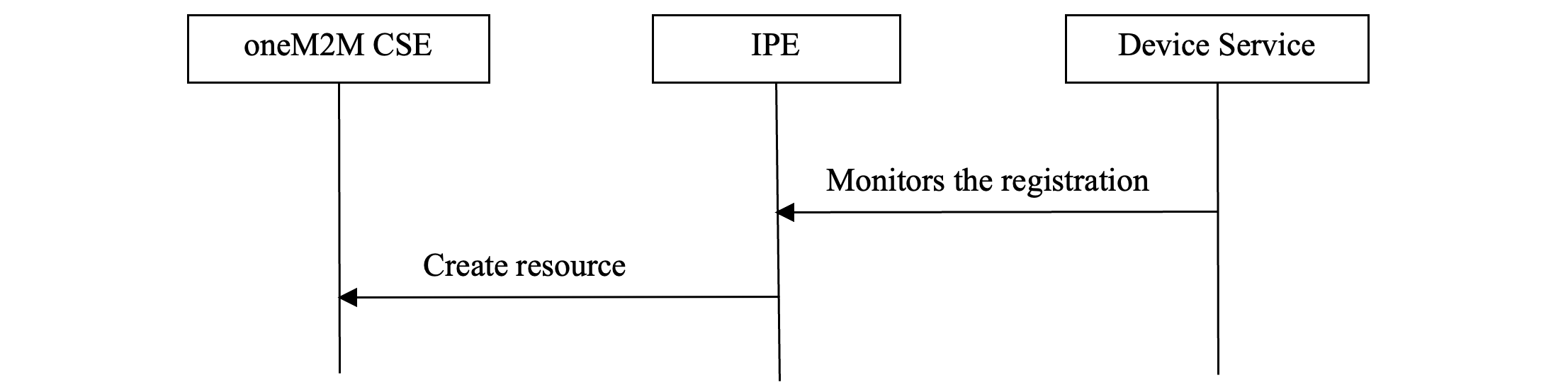

Figure 6.4‑1: Procedure of registering Device service
The mapping of resources shall follow the definition in oneM2M TS-0033 [2] proximal IoT interworking. Depending on the available properties of the Device service,
The IPE is responsible for monitoring the Function property and synchronizing the change of the property to oneM2M resources. The IPE is also responsible for monitoring the update of the oneM2M resource that corresponds to the Function operation. Upon receiving the request targeting the resource, the IPE shall invoke the corresponding Function operation.
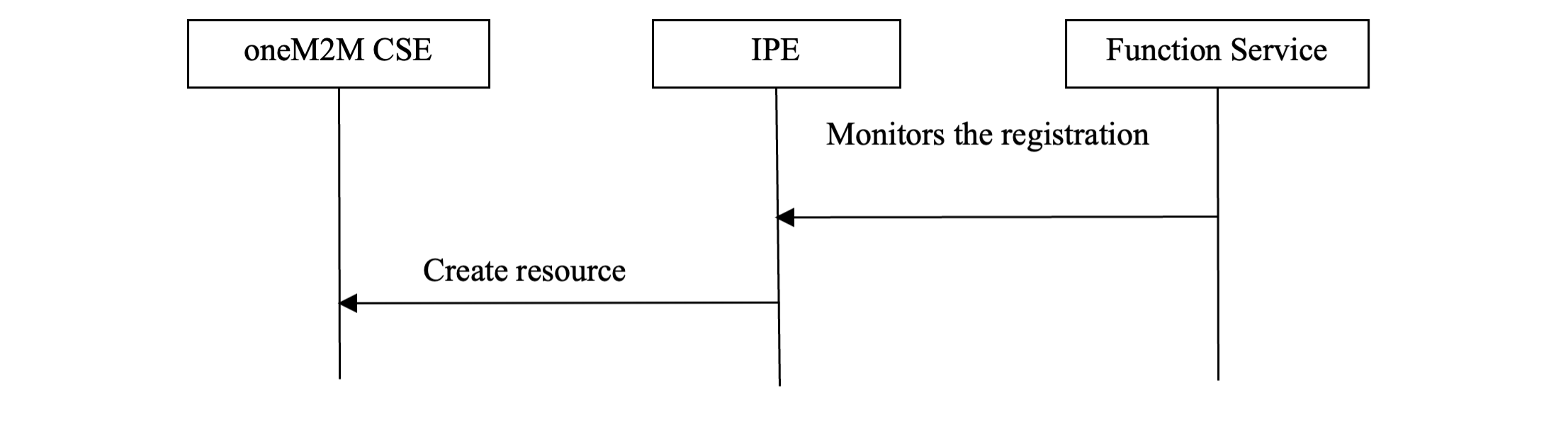

Figure 6.5‑1: Procedure of registering function service
Monitors the registration: The IPE monitors the registration of the Function service to the OSGi framework.
Create resource: The IPE creates the corresponding resource to the oneM2M CSE.
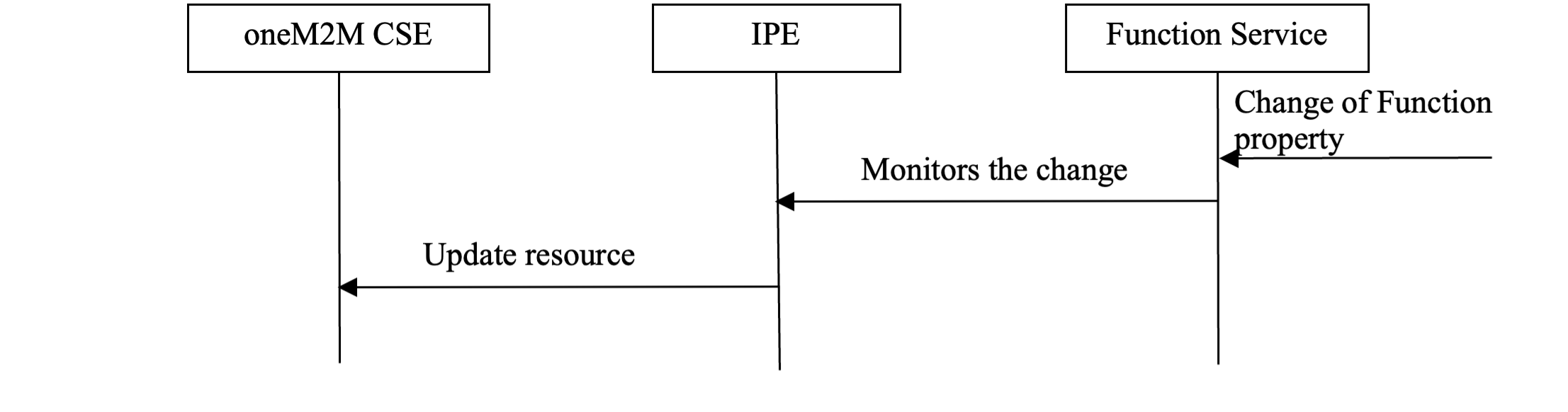

Figure 6.5‑2: Procedure of changing function property
Change of Function property: The Function property may be changed due to various reasons such as hardware triggered break, sensor change, local application change, etc.
Monitors the change: The IPE monitors the change by subscribing to the eventable properties, acquiring the property periodically or by some other internal call back functions.
Update the resource: The IPE updates the corresponding resource of the Function.
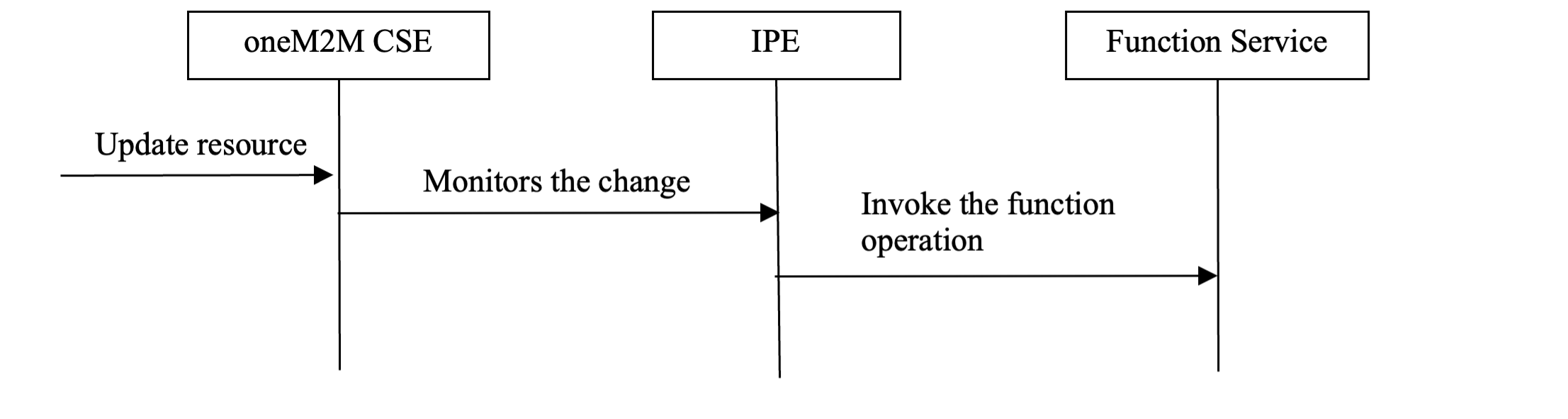

Figure 6.5‑3: Procedure of invoking function operation
Update resource: The oneM2M CSE receives update requests from applications to update the resource that corresponds with the Function service.
Monitors the change: The IPE monitors the change by subscribing to the resource and receiving notifications or polling, etc.
Invoke the function operation: The IPE invokes the function operation provided by the Function service.