6 CoAP Message Mapping
6.1 Introduction
When AE or CSE binds oneM2M primitives to CoAP messages, or binds CoAP messages to oneM2M primitives, it is required that:
- AE shall host a CoAP client and should host a CoAP server; or
- CSE shall host both a CoAP client and a CoAP server.
In general a single oneM2M request primitive is mapped to a single CoAP request message, and a single oneM2M response primitive is mapped to a single CoAP response message. However, a single oneM2M request/response primitive is mapped to multiple CoAP request/response messages respectively when the CoAP block-wise transfer feature is used.
Mapping between CoAP message and oneM2M primitive shall be applied in the following cases:
- when the Originator sends a request primitive;
- when the Receiver receives a CoAP message(s);
- when the Receiver sends a response primitive;
- when the Originator receives a CoAP message(s).
The following sub-clauses specify how to map each oneM2M primitive parameter defined in oneM2M TS-0004 [2] to a corresponding CoAP message field to compose a CoAP request/response message.
6.2 Primitive Mapping to CoAP Message
6.2.0 Introduction
This clause describes where to map oneM2M parameters in a primitive to header, Option and payload fields in a CoAP message. The mappings are summarised in Table 6.2.0‑1 and more detail is given in subsequent clauses.
In Table 6.2.0‑1:
- "CoAP option" means a oneM2M-specific CoAP option as defined in
clauseclause 6.2.2.4. - "Payload" in the second column means that the parameter is passed in a serialized oneM2M primitive. See
clauseclause 6.2.3. - "Uri-Query" means that the parameter is sent as part of the CoAP Uri-Query option. See
clauseclause 6.2.2.3.
Table 6.2.0‑1: oneM2M Primitive Parameter Mappings
Primitive Parameter
|
Release 5
|
Earlier releases
|
|---|---|---|
Operation |
Header (blocking requests) Uri-Query (other requests) |
Header (blocking requests) Uri-Query (other requests) |
To
|
Standard CoAP options
|
Standard CoAP options
|
From
|
Payload or CoAP option
|
CoAP option
|
Request Identifier
|
Payload or CoAP option
|
CoAP option
|
Content
|
Payload
|
Payload
|
Originating Timestamp
|
Payload or CoAP option
|
CoAP option
|
Request Expiration Timestamp
|
Payload or CoAP option
|
CoAP option
|
Result Expiration Timestamp
|
Payload or CoAP option
|
CoAP option
|
Operation Execution Time
|
Payload or CoAP option
|
CoAP option
|
Role IDs
|
Payload
|
Uri-Query
|
Response Type - notificationURI
|
Payload
|
CoAP option
|
Response Type - responseTypeValue
|
Payload
|
Uri-Query
|
Result Persistence
|
Payload
|
Uri-Query
|
Result Content
|
Payload
|
Uri-Query
|
Event Category
|
Payload or CoAP option
|
CoAP option
|
Response Status Code
|
New CoAP option
|
CoAP option
|
Delivery Aggregation
|
Payload
|
Uri-Query
|
Group Request Identifier
|
Payload
|
CoAP option
|
Filter Criteria
|
Payload
|
Uri-Query
|
Desired Identifier Result Type
|
Payload
|
Uri-Query
|
Resource Type
|
Payload or CoAP option
|
CoAP option
|
Content Offset
|
Payload or CoAP option
|
CoAP option
|
Content Status
|
Payload or CoAP option
|
CoAP option
|
Assigned Token Identifiers
|
Payload
|
CoAP option
|
Tokens
|
Payload
|
Uri-Query
|
Token IDs
|
Payload
|
Uri-Query
|
Local Token IDs
|
Payload
|
Uri-Query
|
Token Request Indicator
|
Payload
|
Uri-Query
|
Token Request Information
|
Payload
|
Payload
|
Release Version Indicator
|
Payload or CoAP option
|
CoAP option
|
Vendor Information
|
Payload
|
CoAP option
|
Group Request Target Members
|
Payload
|
CoAP option
|
Group Somecast Target Number
|
Payload
|
Uri-Query
|
Authorization Signature Indicator
|
Payload
|
Uri-Query
|
Authorization Signatures
|
Payload
|
CoAP option
|
Authorization Signature Request Information
|
Payload
|
CoAP option
|
Authorization Relationship Indicator
|
Payload
|
Uri-Query
|
Semantic Query Indicator
|
Payload
|
Uri-Query
|
Ontology Mapping Resources
|
Payload
|
CoAP option
|
Primitive Profile Identifier
|
Payload
|
CoAP option
|
M2M Service User
|
Payload
|
CoAP option
|
6.2.1 Header
This clause specifies how to configure CoAP header information:
- The Version field shall be configured as 1.
- The Type field shall be configured according to
clauseclause 6.3. The Reset message is used to indicate an error in response to a malformed message in the CoAP layer. - In case of a request, the Code field indicates the CoAP Method. If the oneM2M operation is sent as a Blocking request the oneM2M Operation parameter shall be mapped to a CoAP Method according to the
tTable 6.2.1‑1. In non-blocking and flex blocking cases, the request shall use the CoAP POST method, and the Operation parameter shall be mapped as described inclauseclause 6.2.2.3. - In case of a response, the Code field indicates the CoAP Response Code. The oneM2M Response Status Code parameter shall be mapped to a CoAP Response Code as specified in
clauseclause 6.2.4. - The Originator and Receiver shall set the 16-bit MessageId in accordance with the CoAP specification [1] and shall retry transmission of all unacknowledged Confirmable messages, as required by that specification.
Table 6.2.1‑1: oneM2M Operation Parameter Mapping
oneM2M Operation Parameter
|
CoAP Method
|
CoAP Method Code
|
|---|---|---|
CREATE
|
POST
|
0.02
|
RETRIEVE
|
FETCH or GET
|
0.05 (FETCH) or 0.01 (GET)
|
UPDATE
|
PUT
|
0.03
|
DELETE
|
DELETE
|
0.04
|
NOTIFY
|
POST
|
0.02
|
The Originator shall use the FETCH method as defined in IETF RFC 8132 [6] when sending a RETRIEVE request, except in when the Receiver is running Release 4 or earlier in which case it shall use the GET method. See clause clause 6.6 for more details on the use of FETCH.
At the Receiver, a CoAP request message with a POST method that does not carry an Operation parameter shall be mapped to a oneM2M CREATE or NOTIFY operation in accordance with the existence of the Resource Type parameter. If a Resource Type parameter exists then the value of the Operation parameter is CREATE and if the Resource Type parameter does not exist, the value of the Operation parameter is NOTIFY.
6.2.2 Configuration of Token and Options
6.2.2.0 Introduction
This clause describes configuration of Token and Options based on oneM2M parameters.
6.2.2.1 Token
The CoAP token is used by the CoAP layer to match a response to a request, in a manner that is similar to the oneM2M Request Identifier. Due to size limitations, a Request Identifier cannot be used directly as the CoAP Token.
The use of tokens by Originator and Receiver shall comply with requirements of the CoAP specification [1].
6.2.2.2 Content Format Negotiation Options
The CoAP Accept Option may be used to indicate which Content-Format is acceptable to an Originator. If a Hosting CSE supports the Content-Format specified in Accept Option of the request, the Hosting CSE shall respond with that Content-Format. If the Hosting CSE does not support the Content-Format specified in Accept Option of the request, 4.06 "Not Acceptable" shall be sent as a response, unless another error code takes precedence for this response.
Possible values for Content-Format and Accept options are listed below:
- application/xml (41);
- application/json (50);
- application/cbor (60);
- media types specified in clause 6.7 "oneM2M specific MIME media types" of oneM2M TS-0004 [2].
Numeric values for oneM2M defined media types are listed in tTable 6.2.2.2‑1.
Table 6.2.2.2‑1: CoAP oneM2M Specific Content-Formats
oneM2M Specific Media Type
|
ID
|
|---|---|
application/vnd.onem2m-res+xml
|
10014
|
application/vnd.onem2m-res+json
|
10015
|
application/vnd.onem2m-ntfy+xml
|
10016
|
application/vnd.onem2m-ntfy+json
|
10003
|
application/vnd.onem2m-preq+xml
|
10006
|
application/vnd.onem2m-preq+json
|
10007
|
application/vnd.onem2m-prsp+xml
|
10008
|
application/vnd.onem2m-prsp+json
|
10009
|
application/vnd.onem2m-res+cbor
|
10010
|
application/vnd.onem2m-ntfy+cbor
|
10011
|
application/vnd.onem2m-preq+cbor
|
10012
|
application/vnd.onem2m-prsp+cbor
|
10013
|
NOTE: ID values for oneM2M specific media type are subject to change after IANA registration.
6.2.2.3 URI Options
This clause describes how to configure CoAP Uri-Host, Uri-Port, Uri-Path, and Uri-Query Options.
Host and port part of the address specified in pointOfAccess attribute of <remoteCSE> resource shall be mapped to Uri-Host and Uri-Port respectively.
If To parameter contains absolute format, then the first URI-Path Option shall contain a letter "_" and map To parameter removing starting "//" into next URI-Path Option(s).
If To parameter contains SP-relative format, then the first URI-Path Option shall contain a letter "~" and map To parameter removing starting "/" into next URI-Path Option(s).
If To parameter contains CSE-relative format, then To parameter shall be mapped to URI-Path Option(s).
Table 6.2.2.3‑1 shows valid mappings between the To request primitive parameter and the Uri-Path of the CoAP.
CSEBase represents the resource name of a <CSEBase > resource, CSEBase/ae12/cont27/contInst696 represents a structured CSE-relative resource ID, and cin00856 an unstructured CSE-relative resource ID.
Table 6.2.2.3‑1: Mapping examples between To parameter and Uri-Path of the CoAP
Method
|
Request Scope
|
|||
|---|---|---|---|---|
CSE-Relative
|
SP-Relative
|
Absolute
|
||
Structured
|
To
|
CSEBase/ae12/cont27/contInst696
|
/CSE178/CSEBase/ae12/cont27/contInst696
|
//mym2msp.org/CSE178/CSEBase/ae12/cont27/contInst696
|
Uri-Path
|
CSEBase
|
_ (underscore)
|
||
~ (tilde)
|
mym2msp.org
|
|||
CSE178
|
CSE178
|
|||
CSEBase
|
CSEBase
|
|||
ae12
|
ae12
|
ae12
|
||
cont27
|
cont27
|
cont27
|
||
contInst696
|
contInst696
|
contInst696
|
||
Unstructured
|
To
|
cin00856
|
/CSE178/cin00856
|
//mym2msp.org/CSE178/cin00856
|
Uri-Path
|
cin00856
|
_(underscore)
| ||
~ (tilde)
|
mym2msp.org
|
|||
CSE178
|
CSE178
|
|||
cin00856
|
cin00856
|
|||
|
||||
NOTE: In oneM2M Release 4 or earlier some primitive parameters are mapped to the CoAP Uri-Query option. Implementations should accept parameters passed in this manner from a Release 4 (or earlier) implementation and should place them, if needed, in the Uri-Query when sending a primitive to such an implementation. These parameters are shown in
tTable 6.2.0‑1. In the Uri-Query they are represented using the short names specified in clause 8.2.2 of oneM2M TS-0004 [2].
6.2.2.4 oneM2M-specific CoAP Options
6.2.2.4.0 Introduction
This clause describes additional CoAP Options used for binding several oneM2M primitive parameters. Tables 6.2.2.4.0‑1 and 6.2.2.4.0-2 contain definitions of the oneM2M-defined CoAP Options and the sub-clauses that follow this one specify the oneM2M parameter mappings to these CoAP Options.
Table 6.2.2.4.0‑1: Definition of oneM2M Options
No
|
C
|
U
|
N
|
R
|
Name
|
Format
|
Length
|
Default
|
|---|---|---|---|---|---|---|---|---|
279
|
X
|
X
|
oneM2M-FR
|
string
|
0-255
|
(None)
|
||
283
|
X
|
X
|
oneM2M-RQI
|
string
|
0-255
|
(None)
|
||
259
|
X
|
X
|
oneM2M-OT
|
string
|
15
|
(None)
|
||
291
|
X
|
X
|
oneM2M-RQET
|
string
|
15
|
(None)
|
||
295
|
X
|
X
|
oneM2M-RSET
|
string
|
15
|
(None)
|
||
299
|
X
|
X
|
oneM2M-OET
|
string
|
15
|
(None)
|
||
303
|
X
|
X
|
oneM2M-EC
|
uint
|
1
|
(None)
|
||
307
|
X
|
X
|
oneM2M-RSC
|
uint
|
2
|
(None)
|
||
267
|
X
|
X
|
oneM2M-TY
|
uint
|
2
|
(None)
|
||
319
|
X
|
X
|
oneM2M-CTO
|
uint
|
2
|
(None)
|
||
323
|
X
|
X
|
oneM2M-CTS
|
uint
|
2
|
(None)
|
||
271
|
X
|
X
|
oneM2M-RVI
|
string
|
1-2
|
(None)
|
||
| ||||||||
The Response Status Code in a response shall be carried using the CoAP option shown in tTable 6.2.2.4.0‑1.
The remaining CoAP options listed in tTable 6.2.2.4.0‑1 may be used to carry the corresponding Primitive Parameters, if needed, however these Primitive Parameters may instead be carried in the CoAP payload as described in clause clause 6.2.3.
- The parameter shall be carried in the payload and not as a CoAP option if its value is longer than the maximum length permitted for the CoAP option (see the length column in
tTable 6.2.2.4.0‑1).
NOTE
31: The CoAP option approach gives a more efficient encoding if the whole primitive is small enough to fit in a single CoAP message, however it could be less efficient if the primitive is larger and has to be split into multiple blocks (seeclauseclause 6.5). This is because CoAP options have to be repeated in each block.
NOTE
42: In Release 4 and earlier releases, some additional CoAP options are defined. These are shown intTable 6.2.2.4.0‑2. A oneM2M implementation should accept parameters passed using these options from a Release 4 (or earlier) implementation and should use the options when sending a oneM2M primitive to such an implementation.
Table 6.2.2.4.0‑2: Additional Options used in Release 4 and earlier
No
|
C
|
U
|
N
|
R
|
Name
|
Format
|
Length
|
Default
|
|---|---|---|---|---|---|---|---|---|
263
|
X
|
X
|
oneM2M-RTURI
|
string
|
0-255
|
(None)
|
||
311
|
X
|
X
|
oneM2M-GID
|
string
|
0-255
|
(None)
|
||
327
|
X
|
X
|
oneM2M-ATI
|
string
|
0-255
|
(None)
|
||
331
|
X
|
X
|
oneM2M-VSI
|
string
|
0-255
|
(None)
|
||
335
|
X
|
X
|
oneM2M-GTM
|
string
|
0-512
|
(None)
|
||
339
|
X
|
X
|
oneM2M-AUS
|
string
|
0-255
|
(None)
|
||
275
|
X
|
X
|
oneM2M-ASRI
|
string
|
0-255
|
(None)
|
||
343
|
X
|
X
|
oneM2M-OMR
|
string
|
0-255
|
(None)
|
||
347
|
X
|
X
|
oneM2M-PRPI
|
string
|
0-255
|
(None)
|
||
351
|
X
|
X
|
oneM2M-MSU
|
string
|
0-255
|
(None)
|
||
| ||||||||
The options in tTable 6.2.2.4.0‑2 shall not be used when sending a oneM2M primitive to an implementation that is Release 5 or later.
6.2.2.4.1 From
The From parameter shall be mapped to the oneM2M-FR Option.
6.2.2.4.2 Request Identifier
The Request Identifier parameter shall be mapped to the oneM2M-RQI Option.
6.2.2.4.3 Void
6.2.2.4.4 Originating Timestamp
The Originating Timestamp parameter shall be mapped to the oneM2M-OT Option.
6.2.2.4.5 Request Expiration Timestamp
The Request Expiration Timestamp parameter shall be mapped to the oneM2M-RQET Option.
6.2.2.4.6 Result Expiration Timestamp
The Result Expiration Timestamp parameter shall be mapped to the oneM2M-RSET Option.
6.2.2.4.7 Operation Execution Time
The Operation Execution Time parameter shall be mapped to the oneM2M-OET Option.
6.2.2.4.8 notificationURI of Response Type
The notificationURI element of Response Type parameter shall be mapped to the oneM2M-RTURI Option.
6.2.2.4.9 Event Category
The Event Category parameter shall be mapped to the oneM2M-EC Option.
6.2.2.4.10 Response Status Code
The Response Status Code parameter shall be mapped to the oneM2M-RSC Option.
6.2.2.4.11 Group Request Identifier
The Group Request Identifier parameter shall be mapped to the oneM2M-GID Option.
6.2.2.4.12 Resource Type
The Resource Type parameter shall be mapped to the oneM2M-TY Option.
6.2.2.4.13 Content Offset
The Content Offset parameter shall be mapped to the oneM2M-CTO Option.
6.2.2.4.14 Content Status
The Content Status parameter shall be mapped to the oneM2M-CTS Option.
6.2.2.4.15 Assigned Token Identifiers
The Assigned Token Identifiers parameter shall be mapped to the oneM2M-ATI Option. The format of the oneM2M-ATI option shall be represented as a sequence of lti-value:tkid-value pairs separated by a colon ':' and multiple pairs separated by a '+' character.
EXAMPLE: The option looks
as follows:like oneM2M-ATI: lti-value1:tkid-value1 + lti-value2:tkid-value2 + ... if the XML representation of the Assigned Token Identifiers parameter is given as (using short element names):oneM2M-ATI: lti-value1:tkid-value1 + lti-value2:tkid-value2 + ...<ati> <ltia> <lti>lti-value1lti> <tkid>tkid-value1tkid> ltia> <ltia> <lti>lti-value2lti> <tkid>tkid-value2tkid> ltia> ... ati>if the XML representation of the Assigned Token Identifiers parameter is given as (using short element names):
<ati>
   <ltia>
       <lti>lti-value1lti>
       <tkid>tkid-value1tkid>
   ltia>
   <ltia>
      <lti>lti-value2lti>
      <tkid>tkid-value2tkid>
   ltia>
   ...
ati>
The data type m2m:dynAuthlocalTokenIdAssignments of the Assigned Token Identifiers parameter is defined in clause 6.3.5.43 of oneM2M TS-0004 [2].
6.2.2.4.16 Release Version Indicator
The Release Version Indicator parameter shall be mapped to the oneM2M-RVI Option.
6.2.2.4.17 Vendor Information
The Vendor Information parameter shall be mapped to the oneM2M-VSI Option.
6.2.2.4.18 Group Request Target Members
The Group Request Target Members parameter shall be mapped to the oneM2M-GTM Option.
6.2.2.4.19 Authorization Signatures
The Authorization Signatures parameter shall be mapped to the oneM2M-AUS Option.
6.2.2.4.20 Authorization Signature Request Information
The Authorization Signature Request Information parameter shall be mapped to the oneM2M-ASRI Option.
6.2.2.4.21 Ontology Mapping Resources
The Ontology Mapping Resources parameter shall be mapped to the oneM2M-OMR Option. The format of the oneM2M-OMR option shall be represented as a sequence of oneM2M resource identifiers separated by a '+'.
EXAMPLE: The option looks as follows:
oneM2M-OMR: /IN-CSE-0001/omr1+/IN-CSE-0001/omr2+...
6.2.2.4.22 Primitive Profile Identifier
The Primitive Profile Identifier parameter shall be mapped to the oneM2M-PRPI Option.
6.2.2.4.23 M2M Service User
The M2M Service User parameter shall be mapped to the oneM2M-MSU Option.
6.2.3 Payload
The CoAP payload shall contain a oneM2M primitive that is serialised using the rules given in clause 8 of oneM2M TS-0004 [2]. These rules shall be applied to the m2m:requestPrimitive defined in clause 6.4.1 of oneM2M TS-0004 [2] or the m2m:responsePrimitive defined in clause 6.4.2 of oneM2M TS-0004 [2].
ClauseClause 6.2.26.2.2of the present document requires some Primitive Parameters (e.g. the To and Response Status Code parameters) to be mapped to CoAP Options and it permits some other parameters (listed in Table 6.2.2.4.0‑-1) either to be passed either as a CoAP option or to be serialised into the request or response primitive. If a parameter is passed as a CoAP option it shall not be included in the serialised primitive.
The CoAP block-wise transfer mechanism shall be used to deliver the payload if it is too large to fit into one CoAP message. Refer to clause Clause 6.5 for more information.
If the Content parameter contains URI and resource representation in a response to a create request, the URI shall be mapped to the CoAP Location-Path Option instead of being included in the CoAP payload.
The CoAP Content-Format option shall be included and shall be set to a value that complies with the data representation.
NOTE: In oneM2M Release 4 and earlier the CoAP payload is required to contain the value of the Token Request Information parameter (if present in a response primitive) and otherwise it is required to contain the value of the Content parameter (if present). Implementations should accept such CoAP payloads from an implementation that is Release 4 or earlier and should construct such payloads when sending oneM2M primitives to such implementations.
6.2.4 Response Codes Mapping
Table 6.2.4‑1 defines the mapping between oneM2M Response Status Code parameter specified in [2] and CoAP Response Code that is referenced in clause clause 6.2.1.
Table 6.2.4‑1: Mapping between oneM2M Response Status Code and CoAP Response Code<span id="table_6.2.4-1>
oneM2M Response Status Code
|
Description
|
CoAP Response Code
|
Description
|
|---|---|---|---|
1000
|
ACCEPTED
|
None
|
Not used
|
1001
|
ACCEPTED for nonBlockingRequestSynch
|
2.01
|
Created (indicates that a |
1002
|
ACCEPTED for nonBlockingRequestAsynch
|
2.01 or 2.04
|
2.01 (Created) |
2000 (for RETRIEVE operation)
|
OK
|
2.05
|
Content
|
2000 (for NOTIFY operation)
|
OK
|
2.04
|
Changed. CoAP payload shall be empty.
|
2001
|
CREATED
|
2.01
|
Created
|
2002
|
DELETED
|
2.02
|
Deleted
|
2004
|
UPDATED
|
2.04
|
Changed
|
4000
|
BAD_REQUEST
|
4.00
|
Bad Request
|
4001
|
RELEASE_VERSION_NOT_SUPPORTED
|
5.01
|
Not Implemented
|
4004
|
NOT_FOUND
|
4.04
|
Not Found
|
4005
|
OPERATION_NOT_ALLOWED
|
4.05
|
Method Not Allowed
|
4008
|
REQUEST_TIMEOUT
|
5.04
|
Gateway Timeout
|
4015
|
UNSUPPORTED_MEDIA_TYPE
|
4.15
|
Unsupported Content-Format
|
4101
|
SUBSCRIPTION_CREATOR_HAS_NO_PRIVILEGE
|
4.03
|
Forbidden
|
4102
|
CONTENTS_UNACCEPTABLE
|
4.00
|
Bad Request
|
4103
|
ORIGINATOR_HAS_NO_PRIVILEGE
|
4.03
|
Forbidden
|
4104
|
GROUP_REQUEST_IDENTIFIER_EXISTS
|
4.00
|
Bad Request
|
4105
|
CONFLICT
|
4.03
|
Forbidden
|
4106
|
ORIGINATOR_NOT_AUTHENTICATED
|
4.03
|
Forbidden
|
4107
|
SECURITY_ASSOCIATION_REQUIRED
|
4.03
|
Forbidden
|
4108
|
INVALID_CHILD_RESOURCE_TYPE
|
4.03
|
Forbidden
|
4109
|
NO_MEMBERS
|
4.03
|
Forbidden
|
4110
|
GROUP_MEMBER_TYPE_INCONSISTENT
|
4.00
|
Bad Request
|
4111
|
ESPRIM_UNSUPPORTED_OPTION
|
4.03
|
Forbidden
|
4112
|
ESPRIM_UNKNOWN_KEY_ID
|
4.03
|
Forbidden
|
4113
|
ESPRIM_UNKNOWN_ORIG_RAND_ID
|
4.03
|
Forbidden
|
4114
|
ESPRIM_UNKNOWN_RECV_RAND_ID
|
4.03
|
Forbidden
|
4115
|
ESPRIM_BAD_MAC
|
4.03
|
Forbidden
|
4116
|
ESPRIM_IMPERSONATION_ERROR
|
4.03
|
Forbidden
|
4117
|
ORIGINATOR_HAS_ALREADY_REGISTERED
|
4.03
|
Forbidden
|
4118
|
ONTOLOGY_NOT_AVAILABLE
|
4.04
|
Not Found
|
4119
|
LINKED_SEMANTICS_NOT_AVAILABLE
|
4.04
|
Not Found
|
4120
|
INVALID_SEMANTICS
|
4.02
|
Bad Option
|
4121
|
MASHUP_MEMBER_NOT_FOUND
|
4.04
|
Not Found
|
4122
|
INVALID_TRIGGER_PURPOSE
|
4.02
|
Bad Option
|
4123
|
ILLEGAL_TRANSACTION_STATE_TRANSITION_ATTEMPTED
|
4.00
|
Bad Request
|
4124
|
BLOCKING_SUBSCRIPTION_ALREADY_EXISTS
|
4.00
|
Bad Request
|
4125
|
SPECIALIZATION_SCHEMA_NOT_FOUND
|
5.01
|
Not Implemented
|
4126
|
APP_RULE_VALIDATION_FAILED
|
4.03
|
Forbidden
|
4127
|
OPERATION_DENIED_BY_REMOTE_ENTITY
|
4.03
|
Forbidden
|
4128
|
SERVICE_SUBSCRIPTION_NOT_ESTABLISHED
|
4.03
|
Forbidden
|
4130
|
ONTOLOGY_MAPPING_ALGORITHM_NOT_AVAILABLE
|
4.04
|
Not Found
|
4131
|
ONTOLOGY_MAPPING_POLICY_NOT_MATCHED
|
4.00
|
Bad Request
|
4132
|
ONTOLOGY_MAPPING_NOT_AVAILABLE
|
4.04
|
Not Found
|
4133
|
BAD_FACT_INPUTS_FOR_REASONING
|
4.00
|
Bad Request
|
4134
|
BAD_RULE_INPUTS_FOR_REASONING
|
4.00
|
Bad Request
|
4135
|
DISCOVERY_LIMIT_EXCEEDED
|
4.03
|
Forbidden
|
4136
|
PRIMITIVE_PROFILE_NOT_ACCESSIBLE
|
4.03
|
Forbidden
|
4137
|
PRIMITIVE_PROFILE_BAD_REQUEST
|
4.00
|
Bad Request
|
4138
|
UNAUTHORIZED_USER
|
4.03
|
Forbidden
|
4139
|
SERVICE_SUBSCRIPTION_NOT_ACTIVE
|
4.03
|
Forbidden
|
4140
|
SOFTWARE_CAMPAIGN_CONFLICT
|
4.03
|
Forbidden
|
4141
|
SERVICE_SUBSCRIPTION_LIMITS_EXCEEDED
|
4.03
|
Forbidden
|
4142
|
INVALID_PROCESS_CONFIGURATION
|
4.00
|
Bad Request
|
4143
|
INVALID_SPARQL_QUERY
|
4.00
|
Bad Request
|
4144
|
SERVICE_SUBSCRIPTION_DURATION_EXCEEDS_EXPIRATION_TIME
|
4.03
|
Forbidden
|
5000
|
INTERNAL_SERVER_ERROR
|
5.00
|
Internal Server Error
|
5001
|
NOT_IMPLEMENTED
|
5.01
|
Not Implemented
|
5103
|
TARGET_NOT_REACHABLE
|
4.04
|
Not Found
|
5105
|
RECEIVER_HAS_NO_PRIVILEGE
|
4.03
|
Forbidden
|
5106
|
ALREADY_EXISTS
|
4.00
|
Bad Request
|
5107
|
REMOTE_ENTITY_NOT_REACHABLE
|
4.04
|
Not Found
|
5203
|
TARGET_NOT_ SUBSCRIBABLE
|
4.03
|
Forbidden
|
5204
|
SUBSCRIPTION_VERIFICATION_INITIATION_FAILED
|
5.00
|
Internal Server Error
|
5205
|
SUBSCRIPTION_HOST_HAS_NO_PRIVILEGE
|
4.03
|
Forbidden
|
5206
|
NON_BLOCKING_SYNCH_REQUEST_NOT_SUPPORTED
|
5.01
|
Not Implemented
|
5207
|
NOT_ACCEPTABLE
|
4.06
|
Not Acceptable
|
5208
|
DISCOVERY_DENIED_BY_IPE
|
4.03
|
Forbidden
|
5209
|
GROUP_MEMBERS_NOT_RESPONDED
|
5.00
|
Internal Server Error
|
5210
|
ESPRIM_DECRYPTION_ERROR
|
5.00
|
Internal Server Error
|
5211
|
ESPRIM_ENCRYPTION_ERROR
|
5.00
|
Internal Server Error
|
5212
|
SPARQL_UPDATE_ERROR
|
5.00
|
Internal Server Error
|
5214
|
TARGET_HAS_NO_SESSION_CAPABILITY
|
4.03
|
Forbidden
|
5215
|
SESSION_IS_ONLINE
|
4.03
|
Forbidden
|
5216
|
JOIN_MULTICAST_GROUP_FAILED
|
5.00
|
Internal Server Error
|
5217
|
LEAVE_MULTICAST_GROUP_FAILED
|
5.00
|
Internal Server Error
|
5218
|
TRIGGERING_DISABLED_FOR_RECIPIENT
|
5.03
|
Service Unavailable
|
5219
|
UNABLE_TO_REPLACE_REQUEST
|
5.03
|
Service Unavailable
|
5220
|
UNABLE_TO_RECALL_REQUEST
|
5.03
|
Service Unavailable
|
5221
|
CROSS_RESOURCE_OPERATION_FAILURE
|
5.00
|
Internal Server Error
|
5222
|
TRANSACTION_PROCESSING_IS_INCOMPLETE
|
4.03
|
Forbidden
|
5230
|
ONTOLOGY_MAPPING_ALGORITHM_FAILED
|
5.00
|
Internal Server Error
|
5231
|
ONTOLOGY_CONVERSION_FAILED
|
5.00
|
Internal Server Error
|
5232
|
REASONING_PROCESSING_FAILED
|
5.00
|
Internal Server Error
|
6003
|
EXTERNAL_OBJECT_NOT_REACHABLE
|
4.04
|
Not Found
|
6005
|
EXTERNAL_OBJECT_NOT_FOUND
|
4.04
|
Not Found
|
6010
|
MAX_NUMBER_OF_MEMBER_EXCEEDED
|
4.00
|
Bad Request
|
6020
|
MGMT_SESSION_CANNOT_BE_ESTABLISHED
|
5.00
|
Internal Server Error
|
6021
|
MGMT_SESSION_ESTABLISHMENT_TIMEOUT
|
5.00
|
Internal Server Error
|
6022
|
INVALID_CMDTYPE
|
4.00
|
Bad Request
|
6023
|
INVALID_ARGUMENTS
|
4.00
|
Bad Request
|
6024
|
INSUFFICIENT_ARGUMENTS
|
4.00
|
Bad Request
|
6025
|
MGMT_CONVERSION_ERROR
|
5.00
|
Internal Server Error
|
6026
|
MGMT_CANCELLATION_FAILED
|
5.00
|
Internal Server Error
|
6028
|
ALREADY_COMPLETE
|
4.00
|
Bad Request
|
6029
|
MGMT_COMMAND_NOT_CANCELLABLE
|
4.00
|
Bad Request
|
6030
|
EXTERNAL_OBJECT_NOT_REACHABLE_BEFORE_RQET_TIMEOUT
|
5.04
|
Gateway Timeout
|
6031
|
EXTERNAL_OBJECT_NOT_REACHABLE_BEFORE_OET_TIMEOUT
|
5.04
|
Gateway Timeout
|
6033
|
NETWORK_QOS_CONFIG_ERROR
|
5.03
|
Internal Server Error
|
6034
|
REQUESTED_ACTIVITY_PATTERN_NOT_PERMITTED
|
4.03
|
Forbidden
|
The Receiver shall use this table to determine the CoAP response code that is to be used in the response, based on the value of the oneM2M Response Status Code parameter.
6.3 Accessing Resources in CSEs
6.3.0 Introduction
This clause describes the behaviour of the CoAP layer depending on the Response Type parameter. Note that the CoAP messaging model defined in [1] applies to all message exchanges.
oneM2M Requests should be sent as CoAP Confirmable (CON) messages, although an Originator can send a request as a Non-confirmable (NON) message if there is a good reason for doing this. An Originator that relies on getting a response to its request should use a Confirmable rather than a Non-confirmable message for its request.
oneM2M Responses should be sent as CoAP CON messages, although there is one case where a NON message should be used. This is indicated in clause clause 6.3.1.
If the Originator or Receiver sends a CON message it shall retransmit that message if it does not receive a CoAP acknowledgement message, as required by [1]. The recipient (Receiver or Originator) shall take care to de-duplicate CON messages as described in [1].
The recipient of a CoAP message shall process the oneM2M request or response it contains, even if it was sent as Non-confirmable.
6.3.1 Blocking case
If theIf the Response Type parameter is configured as "blockingRequest" (blocking case), the Originator (CoAP client) shall send the oneM2M request to the Receiver (CoAP server). The oneM2M Operation parameter shall be mapped to a CoAP Method according to Table 6.2.1‑1.
Response Type parameter is configured as "blockingRequest" (blocking case), the Originator (CoAP client) shall send the oneM2M request to the Receiver (CoAP server). The oneM2M Operation parameter shall be mapped to a CoAP Method according to Table 6.2.1‑1.After processing the oneM2M request, the Receiver shall send the oneM2M response in a CoAP response with a CoAP response code as given byAfter processing the oneM2M request, the Receiver shall send the oneM2M response in a CoAP response with a CoAP response code as given by Table 6.2.4‑1.
Table 6.2.4‑1.- If the oneM2M request was sent as a CoAP Confirmable message, the Receiver may either piggyback this response to the request on the CoAP ACK message, or send the response as a separate CoAP Confirmable message after it has sent the CoAP ACK.
- If the oneM2M request was sent as a Non-confirmable message, the oneM2M response shall be returned as a separate CoAP message. This response should be sent as a Non-confirmable CoAP message but it may be sent as Confirmable (this means that a receiver can, if it so chooses, send all Responses as Confirmable regardless of how the Request was sent).
The Originator's CoAP binding may generate a response primitive containing a oneM2MThe Originator's CoAP binding may generate a response primitive containing a oneM2M Response Status Code of "REQUEST_TIMEOUT" if it considers that it has taken too long for the CoAP response to come back from the Receiver. It shall ignore any response to the original request that it might receive after it has done this.
Response Status Code of "REQUEST_TIMEOUT" if it considers that it has taken too long for the CoAP response to come back from the Receiver. It shall ignore any response to the original request that it might receive after it has done this.
6.3.2 Non-Blocking Asynchronous case
If theIf the Response Type parameter is configured as "nonBlockingRequestAsynch" (non-blocking asynchronous case), the Originator (CoAP client) should send the oneM2M request to the Receiver (CoAP server) as a CoAP Confirmable message. This request shall be sent using the CoAP POST method, and shall include the Operation parameter, mapped as described in clause 6.2.2.3.
Response Type parameter is configured as "nonBlockingRequestAsynch" (non-blocking asynchronous case), the Originator (CoAP client) should send the oneM2M request to the Receiver (CoAP server) as a CoAP Confirmable message. This request shall be sent using the CoAP POST method, and shall include the Operation parameter, mapped as described in clause 6.2.2.3.The Receiver, after validating the request and before processing it fully, shall return a oneM2M response to the originator. It may either piggyback (2a) this response on the CoAP ACK message (if the request was sent as a Confirmable message) or send the response as a separate CoAP response message after it has sent the CoAP ACK (2b). In this latter case it shall send the response as a Confirmable message.The Receiver, after validating the request and before processing it fully, shall return a oneM2M response to the originator. It may either piggyback (2a) this response on the CoAP ACK message (if the request was sent as a Confirmable message) or send the response as a separate CoAP response message after it has sent the CoAP ACK (2b). In this latter case it shall send the response as a Confirmable message.
- If the Receiver supports the <request> resource type, it shall respond with a 2.01 (Created) CoAP response code and a oneM2M Response Status Code of "ACCEPTED for nonBlockingRequestAsynch". The response shall include the URI of the new <request> resource in a sequence of one or more Location-Path and/or Location-Query Options.
- If the Receiver does not support the <request> resource type, it shall respond with a 2.04 (Changed) CoAP response code and a oneM2M Response Status Code of "ACCEPTED for nonBlockingRequestAsynch".
The Receiver, upon successful processing of the request, shall send a new CoAP Confirmable request message using the CoAP POST method. This message contains a oneM2M NOTIFY primitive whose content contains the response to the original request.The Receiver, upon successful processing of the request, shall send a new CoAP Confirmable request message using the CoAP POST method. This message contains a oneM2M NOTIFY primitive whose content contains the response to the original request.
The Originator may either piggyback a response to this request (4a) or send it as a separate CoAP response after the acknowledgment message (4b). This response shall contain the appropriate CoAP response code as defined inThe Originator may either piggyback a response to this request (4a) or send it as a separate CoAP response after the acknowledgment message (4b). This response shall contain the appropriate CoAP response code as defined in Table 6.2.4‑1 and have an empty payload.
table 6.2.4‑1 and have an empty payload.
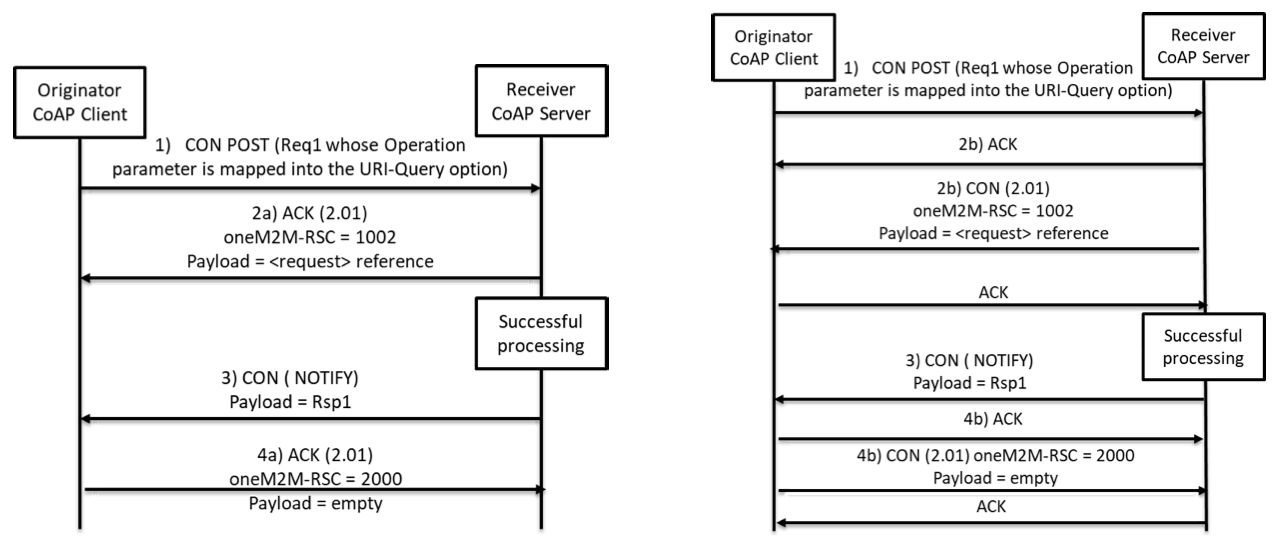

Figure 6.3.2‑1: Non-Blocking Asynchronous Case
6.3.3 Non-Blocking Synchronous case
If theIf the Response Type parameter is configured as "nonBlockingRequestSynch" (non-blocking synchronous case), the Originator (CoAP client) should send the oneM2M request to the Receiver (CoAP server) as a CoAP Confirmable message. This request shall be sent using the CoAP POST method, and shall include the Operation parameter, mapped as described in clause 6.2.2.3.
Response Type parameter is configured as "nonBlockingRequestSynch" (non-blocking synchronous case), the Originator (CoAP client) should send the oneM2M request to the Receiver (CoAP server) as a CoAP Confirmable message. This request shall be sent using the CoAP POST method, and shall include the Operation parameter, mapped as described in clause 6.2.2.3.The Receiver, after validating the request and before processing it fully, shall return a oneM2M response to the originator. It may either piggyback this response (2a) on the CoAP ACK message (if the request was sent as a CON message) or send the response as a separate CoAP message after it has sent the CoAP ACK (2b). In this latter case it shall send the response as a Confirmable message.The Receiver, after validating the request and before processing it fully, shall return a oneM2M response to the originator. It may either piggyback this response (2a) on the CoAP ACK message (if the request was sent as a CON message) or send the response as a separate CoAP message after it has sent the CoAP ACK (2b). In this latter case it shall send the response as a Confirmable message.
- If the Receiver supports the <request> resource type, it shall respond with a 2.01 (Created) CoAP response code and a oneM2M Response Status Code of "ACCEPTED for nonBlockingRequestSynch". The response shall include the URI of the new <request> resource in a sequence of one or more Location-Path and/or Location-Query Options.
- If the Receiver does not support the <request> resource type, it shall respond with a 5.01 (Not implemented) CoAP response code and a oneM2M Response Status Code of "NON_BLOCKING_SYNCH_REQUEST_NOT_SUPPORTED".
The Originator can use the <The Originator can use the <request> resource reference to make a blocking synchronous request to retrieve the <request> resource that corresponds to the original request.
request> resource reference to make a blocking synchronous request to retrieve the <request> resource that corresponds to the original request.The Receiver, upon receipt of this retrieve request, shall handle it as in clauseThe Receiver, upon receipt of this retrieve request, shall handle it as in clause 6.3.1 since it is a blocking request.
6.3.1 since it is a blocking request.
NOTE: If the Receiver is a Transit CSE, the Receiver acts as CoAP client and CoAP server.
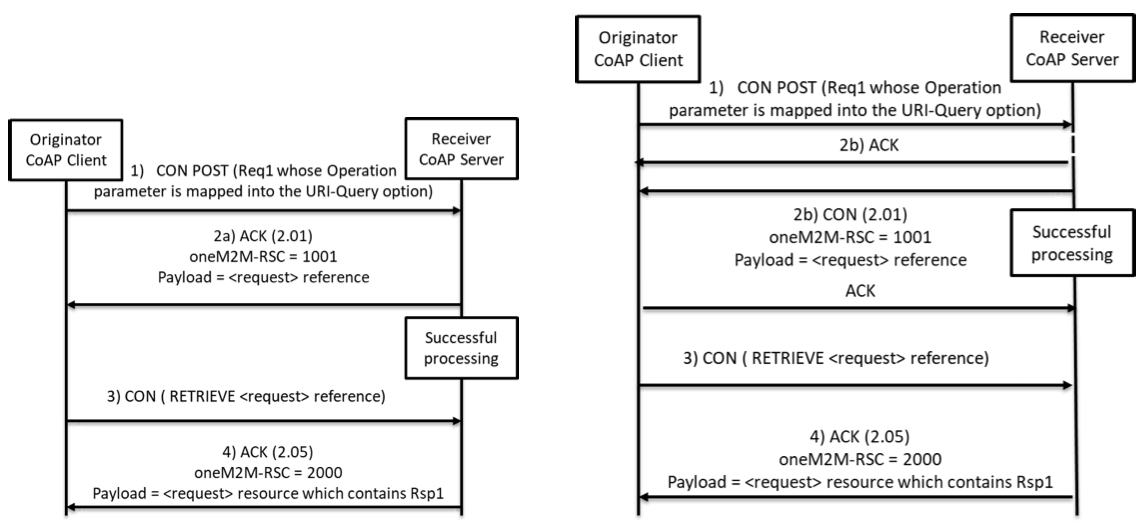

Figure 6.3.3‑1: Non-Blocking Synchronous Case
6.3.4 Flex Blocking case
If theIf the Response Type parameter is configured as "flex blocking", the Originator (CoAP client) should send the oneM2M request to the Receiver (CoAP server) as a CoAP Confirmable message. This request shall be sent using the CoAP POST method, and shall include the Operation parameter, mapped as described in clause 6.2.2.3.
Response Type parameter is configured as "flex blocking", the Originator (CoAP client) should send the oneM2M request to the Receiver (CoAP server) as a CoAP Confirmable message. This request shall be sent using the CoAP POST method, and shall include the Operation parameter, mapped as described in clause 6.2.2.3.The Receiver shall determine whether to handle the request using "nonBlockingRequestSynch" or "nonBlockingRequestAsynch" mode:The Receiver shall determine whether to handle the request using "nonBlockingRequestSynch" or "nonBlockingRequestAsynch" mode:
- If the Receiver chooses "nonBlockingRequestAsynch" processing proceeds as described in
clauseclause 6.3.2, starting from step 2). - If the Receiver chooses "nonBlockingRequestSynch" processing proceeds as described in
clauseclause 6.3.3, starting from step 2).
- If the Receiver chooses "nonBlockingRequestAsynch" processing proceeds as described in
6.4 Mapping rules of caching
This clause specifies how to enable or disable CoAP caching mechanism and how to use cached information.
If the CoAP end point supports caching mechanism by freshness, the CoAP server shall:
- set the Max-Age Option value to "0" (zero) to disable caching, in order to support complete oneM2M mapping; or
- set the Max-Age option value to another value (such as the default value), in order to use CoAP caching mechanism for constrained environment.
> NOTE 1: In the second case, the new request from oneM2M layer can get the stored fresh response from CoAP client, not from CoAP server.
NOTE 1: In the second case, the new request from oneM2M layer can get the stored fresh response from CoAP client, not from CoAP server.
If the CoAP end point supports caching mechanism by validity:
- the CoAP server shall not present Etag in responses to disable caching, in order to support complete oneM2M mapping; or
- the CoAP server shall present Etag in responses, in order to use CoAP caching mechanism for constrained environment.
> NOTE 2: In the second case, the new request from oneM2M layer can get the stored fresh response from CoAP server, not from oneM2M layer.
NOTE 2: In the second case, the new request from oneM2M layer can get the stored fresh response from CoAP server, not from oneM2M layer.
6.5 Usage of Block-wise Transfers
Using Block Options, large oneM2M resource representations can be fragmented and reassembled by CoAP independently of the lower layers as well as the above application. The CoAP Block1 Option shall be used to define the size of the blocks used for oneM2M request primitives and the CoAP Block2 Option shall be used to define the size of the blocks used for oneM2M response responses. Refer to IETF RFC 7959 [3] for further details.
6.6 Use of the CoAP FETCH method
When both Originator and Receiver are using oneM2M Release 5 or later all Blocking RETRIEVE requests shall be sent using the CoAP FETCH method defined in IETF RFC 8132 [6]. The FETCH method differs from the GET method in that it contains a CoAP payload.
The CoAP payload shall be set to contain the oneM2M Request primitive, serialized as described in clause clause 6.2.2.
IETF RFC 8132 requires that the CoAP Content-Format option be present in the request to indicate the nature of the payload. The Content-Format shall be set to one of the oneM2M-specific MIME media type values defined in clause 6.2.2.2[6] requires that the CoAP Content-Format option be present in the request to indicate the nature of the payload. The Content-Format shall be set to one of the oneM2M-specific MIME media type values defined in clause 6.2.2.2. The value to use depends on the encoding used for the request as follows:
- application/vnd.onem2m-preq+xml if the request is encoded using XML
- application/vnd.onem2m-preq+json if the request is encoded using JSON
- application/vnd.onem2m-preq+cbor if the request is encoded using CBOR